
This post contains affiliate links. If you purchase through my links, I may earn a small commission at no extra cost to you. I only recommend products I have personally tested and genuinely love.
Published: May 7, 2026 | Last Updated: May 7, 2026
If you have a closet full of work clothes that feel too stiff for the weekend, you are not shopping wrong – you are just styling wrong. The same tailored trousers you wore to your Tuesday meeting can absolutely look intentional and cool at a Sunday brunch. The key is knowing which pieces are truly versatile and how a few small swaps completely change the vibe.
I started doing this out of necessity. Living in LA, I go from a brand meeting straight to grabbing coffee with friends more often than not. Getting home to change is rarely an option. So I figured out, outfit by outfit, which business casual pieces could make the jump – and which ones were hopelessly office-coded no matter what I did with them.
This guide covers exactly how work-to-weekend styling works, the formulas I use every week, the specific pieces that pull double duty best, and the mistakes that make outfits look like you just escaped a conference room. Whether you are building a new wardrobe or trying to get more out of what you already own, this is how to do it.
This post works best as a companion to my full business casual guide for women, which breaks down the exact pieces and rules for the office side of these looks. Once you understand what makes an outfit truly business casual, transitioning it to the weekend becomes a much simpler formula. My LA capsule wardrobe guide also goes deep on building a closet where every piece earns its spot by working in at least two different contexts – which is exactly what work-to-weekend styling is all about. If you are starting from scratch with what to wear Monday through Friday, my work outfit ideas guide has specific daily combinations already laid out. And for the casual end of the transition, my roundup of casual outfits for women shows exactly where these same pieces land when you take the office context away entirely.
What Is Work-to-Weekend Styling?
Work-to-weekend styling is the practice of using business casual pieces in casual, off-duty contexts by swapping out specific elements of the outfit – shoes, accessories, layering pieces, or overall proportions. It matters because it stretches the value of every item you invest in and keeps your wardrobe from becoming siloed into what you can only wear in one type of setting. It is most useful for women who wear business casual five days a week and want to stop buying two completely separate wardrobes for work and real life.
The Short Answer
To get two wears out of one business casual outfit, keep the core piece – trousers, midi skirt, blazer, or blouse – and swap the styling elements around it. Trade block heels for white sneakers or flat sandals, remove or loosen the structured blazer, swap a tucked silk blouse for an untucked or knotted version, and switch from a structured tote to a casual crossbody or bucket bag. Those four swaps alone take most office-appropriate outfits into a completely convincing weekend look.
Quick Takeaways
- The shoe swap is the single most powerful change – heels to sneakers shifts the whole mood instantly.
- Blazers work on weekends when worn open, oversized, or layered over a casual tee.
- Tailored trousers read casual when paired with a fitted white tee and loafers or sneakers.
- Midi skirts in solid neutral tones are the easiest piece to take from office to brunch.
- A structured work tote signals "office" – a crossbody or bucket bag signals "weekend."
- Silk blouses untucked or knotted at the hem look instantly more relaxed than when fully pressed and tucked.
Table of Contents
- What Are Work-to-Weekend Outfits?
- What Is the Work-to-Weekend Formula?
- Which Business Casual Pieces Work Best for Weekend Styling?
- How Do I Style a Blazer for the Weekend?
- How Do I Make Tailored Trousers Look Casual?
- What Are the Best Work-to-Weekend Outfit Ideas?
- What Accessories Make the Biggest Difference?
- What Mistakes Do People Make With Work-to-Weekend Styling?
- How Did I Test These Transitions?
- Frequently Asked Questions
What Are Work-to-Weekend Outfits?
Work-to-weekend outfits are looks built around versatile business casual pieces that can be restyled for casual settings without buying anything new. The core idea is simple: instead of keeping your office wardrobe and your weekend wardrobe completely separate, you invest in pieces that genuinely earn their place in both.
This is different from just wearing your work clothes on Saturday and hoping no one notices. Real work-to-weekend styling involves deliberate swaps – shoes, bag, a top layer, or how a blouse is tucked – that change the feel of the outfit from professional to off-duty. The base piece stays the same, but the context changes completely.
In practical terms, this approach means you get far more wears per item, spend less overall on clothes, and stop running home between a work event and a dinner out. As of May 2026, this is one of the smartest ways to build a wardrobe that actually keeps up with a busy life.
What Is the Work-to-Weekend Formula?
The work-to-weekend formula comes down to one core rule: keep the most elevated piece and casual everything else around it. Whatever your hero business casual piece is – a blazer, a great pair of trousers, a midi skirt – that stays, and every other element shifts toward relaxed.
Here is how I approach it step by step:
- Identify your anchor piece. Pick the business casual item you are keeping. It should be a neutral, quality piece that reads as polished without being overly formal – think tailored wide-leg trousers in black or cream, a structured blazer in beige or camel, or a midi skirt in a solid muted tone like sage, dusty rose, or warm taupe.
- Swap the shoes first. Shoes change the entire register of an outfit. Trade block-heel pumps or pointed-toe flats for clean white sneakers (New Balance 574 or Adidas Sambas are my go-to), simple leather flat sandals, or classic loafers in tan or black. This is the highest-impact swap you can make and it costs nothing.
- Loosen the silhouette. If your top was tucked in tightly, untuck it or let it drape. If you had a blazer buttoned, open it fully or belt it loosely. If your blouse was pressed flat and formal, knot it at the hem or let it hang untucked. Small changes to how fabric sits on your body change the mood completely.
- Switch the bag. A structured work tote or laptop bag keeps the office energy even when everything else changes. Switch to a small leather crossbody, a soft shoulder bag, or a relaxed bucket bag to signal you are off the clock.
- Edit the accessories. Swap polished work jewelry for something smaller and more personal. A thin gold chain, small huggie hoops, or a simple ring stack reads as effortless and casual. A big structured necklace or heavy cuffs can tip things back toward formal without you realizing it.
These five steps work for virtually any business casual outfit. The formula does not require buying anything new – it just requires understanding your clothes differently.
Which Business Casual Pieces Work Best for Weekend Styling?
Not every business casual piece makes the transition easily. Some items are office-coded in a way that styling tricks cannot fully overcome – stiff pencil skirts, formal suiting sets in heavy fabrics, or very structured blazers in dark corporate colors like navy and charcoal tend to stay in their lane. The pieces that work best for work-to-weekend are the ones that already have a certain ease built into them, even in their structure.
The strongest performers in my wardrobe are tailored wide-leg or straight-leg trousers in neutral tones, especially in fabrics with a slight softness – linen blends, crepe, or structured cotton. They look polished without screaming "office." A cream or oat-colored pair especially reads as intentionally casual when styled with a fitted knit or simple tank instead of a blouse.
Midi skirts in solids – particularly earthy tones like terracotta, warm taupe, or dusty sage – are arguably the single most versatile business casual piece for weekends. They are elevated enough for the office with a tucked blouse and loafers, and relaxed enough for brunch with a simple white tee and flat sandals. My other strong picks are silk or satin blouses (which look luxe when styled casually, not just forgotten), structured oversized blazers in soft neutrals, and loafers, which genuinely live in both worlds without any adjustment at all.
How Do I Style a Blazer for the Weekend?
A blazer works on the weekend when it stops being the centerpiece and starts being a layer. The biggest mistake is wearing it exactly the same way you wore it to work – buttoned, with a blouse tucked in and heels. That combination signals "office" regardless of where you are standing.
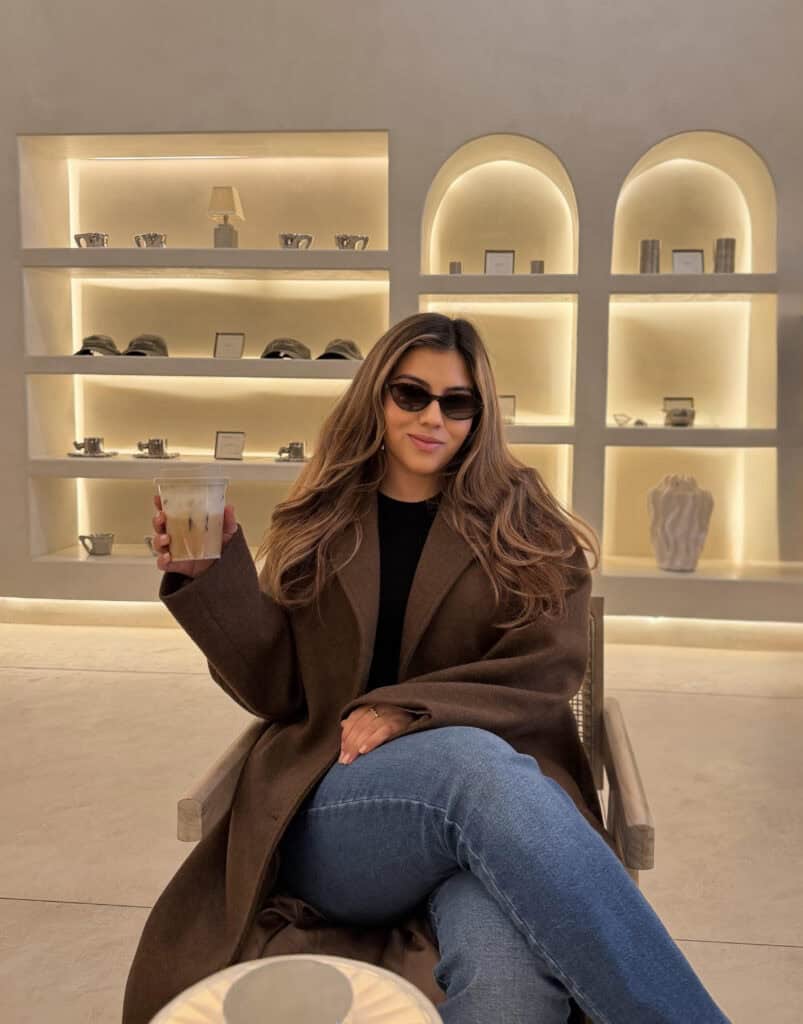
The easiest weekend blazer formula is to wear it open over a fitted white tee or a simple tank, paired with straight-leg jeans or clean white denim, and finished with white sneakers or loafers. That combination works because the casual pieces underneath completely change what the blazer is communicating. The blazer becomes a cool layering piece, not a suit jacket.
Oversized or relaxed-fit blazers – the kind cut a size or two up from a standard tailored fit – transition to weekends better than structured, close-fitted silhouettes. Brands like Zara, & Other Stories, and Aritzia all make boxy blazers that are specifically designed to work over casual outfits. A camel, cream, or light gray blazer in this shape is one of the best investments you can make for a dual-purpose wardrobe.
How Do I Make Tailored Trousers Look Casual?
Tailored trousers look casual when the pieces around them go deliberately low-key. The trousers themselves stay the same – you are not changing them – but pairing them with the right top and shoes makes them read as intentional weekend dressing rather than "forgot to go home after work."
The most reliable formula I use is black or cream wide-leg trousers plus a fitted white ribbed tee or a soft neutral knit, plus loafers or clean white sneakers. It sounds simple because it is. The elevated trousers give the whole look its polish, and the casual top and shoes do not compete – they just let the trousers be the standout piece.
Where people go wrong is adding too many polished elements around the trousers – a silk blouse, block heels, and a structured bag all together bring everything back into office territory. Pick one elevated element (the trousers) and keep everything else understated. That contrast is exactly what makes the outfit feel relaxed and intentional at the same time.
What Are the Best Work-to-Weekend Outfit Ideas?
Here are five complete formulas I use regularly, with the exact work version and the weekend swap for each one. These are all real combinations I have worn in both contexts – not just theoretical ideas.
The Blazer Pivot
- Work version: Structured camel blazer buttoned over a white silk blouse tucked into black wide-leg trousers, block heel mules, structured leather tote
- Weekend swap: Same blazer worn fully open, fitted white tee instead of blouse, white sneakers (New Balance 574), small leather crossbody
- Key changes: Open blazer, blouse swapped to tee, heels swapped to sneakers, structured bag swapped to crossbody
- Best anchor piece: Camel or beige oversized blazer in a relaxed cut
- Best for: Coffee runs, casual brunch, farmers market, a relaxed Saturday in the neighborhood
- Brand pick: Aritzia Wilfred Demi blazer in oat or ivory
The Midi Skirt Two Ways
- Work version: Terracotta midi skirt, ivory satin blouse fully tucked in, tan loafers, tan structured tote
- Weekend swap: Same skirt, white fitted tee untucked or half-tucked at the front, flat strappy sandals, small woven shoulder bag
- Key changes: Blouse swapped to tee, untucked styling, structured bag swapped to woven or casual bag
- Best anchor piece: Midi skirt in a solid earthy neutral – terracotta, taupe, sage, or warm sand
- Best for: Brunch, casual dinner, weekend errands that still need to look put-together
- Brand pick: Reformation Bea skirt or Mango satin midi skirt in any neutral tone
The Silk Blouse + White Denim Formula
- Work version: Dusty pink silk blouse fully tucked into tailored black trousers, black loafers, minimal gold jewelry, sleek structured bag
- Weekend swap: Same silk blouse knotted loosely at the hem or half-tucked, white straight-leg jeans instead of trousers, same loafers or flat leather sandals, small crossbody
- Key changes: Trousers swapped for white denim, blouse untucked or knotted, bag downsized to casual
- Best anchor piece: Silk or satin blouse in a muted tone – blush, champagne, dusty mauve, or warm ivory
- Best for: Lunch out, gallery visit, casual date, weekend travel days
- Brand pick: Quince silk relaxed blouse or Equipment signature silk blouse
The Trouser + Tee Swap
- Work version: Cream wide-leg trousers, structured off-white blouse tucked in, nude block heels, laptop tote bag
- Weekend swap: Same cream trousers, fitted white ribbed tee with a relaxed front tuck, white sneakers or tan loafers, small bucket bag
- Key changes: Blouse swapped to tee, heels swapped to sneakers, structured bag swapped to bucket bag
- Best anchor piece: Wide-leg or straight-leg trousers in cream, oat, sand, or warm white
- Best for: Farmers market, outdoor dining, a relaxed weekend with a polished edge
- Brand pick: Banana Republic Logan trouser or Abercrombie tailored linen trouser in warm white
The Sheath Dress Restyled
- Work version: Dusty sage sheath dress worn with a structured blazer over it, pointed-toe flats, polished work bag
- Weekend swap: Same sheath dress without the blazer, thin tan or gold belt cinched at the waist, flat strappy sandals, woven or mini leather bag
- Key changes: Blazer removed, belt added for a different silhouette, shoes and bag swapped to casual
- Best anchor piece: Sheath dress in a muted solid – sage, dusty rose, warm gray, or blush
- Best for: Casual outdoor dining, afternoon plans, a simple weekend look that still feels intentional
- Brand pick: & Other Stories sheath dress in olive or dusty mauve
What Accessories Make the Biggest Work-to-Weekend Difference?
Accessories are the fastest way to shift an outfit's register without changing any clothing. The right bag, shoes, and jewelry tell people immediately whether you are headed to a presentation or a Sunday market – even if the actual clothes are identical. According to Vogue's style desk, accessories do more work than any single clothing item when it comes to communicating formality level.
After shoes, the bag is the second most powerful swap. A structured leather tote, a laptop bag, or a boxy crossbody with a lot of hardware all signal "professional." A soft bucket bag, a woven raffia shoulder bag, a slouchy leather hobo, or a simple cylinder bag shifts the whole energy to relaxed. For work-to-weekend wardrobes, I keep a tan leather bucket bag and a simple woven tote in constant rotation – they go with everything and they never look like I borrowed them from my work bag collection.
Jewelry matters more than most people think. Small, personal jewelry – a thin gold chain, small pearl or huggie hoops, a simple stack of rings – reads as effortless and casual. More structured or statement pieces – heavy gold cuffs, a polished bar necklace, oversized earrings – can quietly tip things back toward formal. The goal for the weekend is jewelry that looks like you put it on for yourself, not for a room you are about to walk into.
What Mistakes Do People Make With Work-to-Weekend Styling?
The most common mistake is doing too little. Swapping only one thing – say, just changing your shoes – often is not enough to actually shift the feel of the outfit. Work-to-weekend styling works best when you make two or three swaps simultaneously, because the combination is what changes the mood, not any single item on its own.
The second mistake is trying to transition pieces that are simply not built for it. Pencil skirts in heavy formal fabrics, dark power blazers in corporate navy or charcoal, and anything with significant padding, stiff structure, or very close tailoring tends to stay office-coded no matter what you do around it. These pieces are excellent for what they are meant for – but they are not your work-to-weekend heroes. The pieces that transition well are the ones with a certain softness and ease already in their fabric and cut.
A third mistake I see constantly is keeping the bag the same while changing everything else. People put thought into shoes and tops but walk out with a massive laptop tote on a Saturday. The bag carries a lot of visual context. Even if every other element of the outfit reads as weekend, a work bag will quietly anchor the whole look in office territory. Swap the bag and you will be surprised how much it changes.
How Did I Test These Transitions?
I tested these formulas across three months – January through March 2026 – because LA in early 2026 was mild enough that I could wear the same pieces day and night without a coat changing the equation. That gave me a clean read on how well each transition actually worked in real conditions, not just in theory.
My approach was to document outfits on workdays and then restyle the same core pieces over the following weekend, wearing them to real places – coffee shops, outdoor dining, errands, markets – and paying attention to whether I felt like myself or like someone who forgot to go home. If an outfit still felt "too much like work" on a Saturday, it did not make this guide.
I also paid attention to feedback from people who saw me in both versions of the same outfit – one of the real advantages of living in a city where you run into the same people in very different contexts. None of the formulas here got any version of "wait, are you coming from the office?" when worn in the weekend configuration. That was my bar for whether the transition was genuinely working.
Frequently Asked Questions
What does work-to-weekend style actually mean?
Work-to-weekend style means using the same business casual pieces in casual, off-duty outfits by making strategic swaps to shoes, bags, and styling details rather than changing the core clothing item. The goal is to get more versatility and more wears out of every piece you invest in.
Can you actually wear business casual clothes on the weekend?
Yes – the right business casual pieces transition beautifully. Tailored trousers, midi skirts, silk blouses, and structured blazers all work on weekends when styled with casual shoes, relaxed bags, and easy layering. The pieces that do not transition well are the overly formal or very rigid ones built specifically for corporate settings.
What is the easiest business casual piece to transition to the weekend?
A midi skirt in a solid neutral tone is the easiest piece to transition. It pairs with a tucked blouse and loafers for the office, and with a simple white tee and flat sandals for the weekend – no complicated restyling required. Midi skirts in earthy tones like terracotta, sage, or warm taupe are especially easy to casual down.
How do you make tailored trousers look casual?
Pair them with a fitted white tee, a ribbed knit, or a relaxed tank instead of a blouse. Add loafers or white sneakers instead of heels, and carry a small casual bag instead of a structured tote. Those three changes take tailored trousers from office to casual without any effort.
Is a blazer too formal for a casual weekend outfit?
Not if you style it the right way. Wear it open over a tee or tank instead of buttoned over a blouse. Choose a relaxed or oversized fit rather than a very close-tailored silhouette. Add sneakers or loafers and a casual bag and the blazer becomes a stylish layering piece rather than a suit jacket.
What shoes work for both the office and the weekend?
Loafers are the number one dual-purpose shoe. They are polished enough for a business casual office and relaxed enough for a casual weekend look without any restyling. Leather ballet flats and simple leather mules with a low block heel also transition well. High heels and pointed stilettos are much harder to casual down regardless of what you do around them.
What is the best bag swap for work-to-weekend style?
Trade your structured leather tote or laptop bag for a soft bucket bag, a woven shoulder bag, a small crossbody, or a slouchy hobo. The size and structure of the bag communicates a lot about the occasion, so even if your clothes are the same, a casual bag immediately shifts the read of the whole outfit.
What accessories change an outfit from work to weekend?
The bag and jewelry are the two biggest levers after shoes. A structured tote says work; a bucket bag or woven shoulder bag says weekend. Polished statement jewelry says office; small, personal gold or silver pieces say off-duty. Both swaps together are more effective than either one alone.
How do I build a wardrobe that works for both settings?
Focus on neutral, quality anchor pieces – tailored trousers, midi skirts, silk blouses, and versatile blazers – in colors that pair easily with both structured and casual items. Invest in two bags (one structured work bag, one casual weekend bag) and two to three shoe styles that genuinely live in both worlds. My LA capsule wardrobe guide goes into exactly this system in a lot more detail.
What pieces should I avoid when building a work-to-weekend wardrobe?
Avoid investing heavily in pencil skirts in formal fabrics, very structured dark power blazers, or anything with a silhouette so close and tailored that it has no casual application at all. These pieces are great in the right context, but they will not serve you across both settings. Prioritize pieces with softness in their cut and fabric even when they are polished.
Do silk blouses work on the weekend?
Absolutely – silk blouses are one of the best pieces to transition because they look intentionally luxe when styled casually, not just accidentally overdressed. The key is to knot them at the hem, leave them untucked, or style them half-tucked with jeans instead of pressing them into a full formal tuck with tailored trousers.
How many swaps do I need to make to shift an outfit from work to weekend?
Two to three swaps is usually the minimum to genuinely shift the mood of an outfit. One swap – say, just the shoes – often is not enough on its own. The combination of shoes plus bag plus one styling change to the clothing (untucking, removing a layer, loosening the silhouette) is what creates the real transition.
The deeper thing that work-to-weekend styling teaches you is that confidence in getting dressed does not come from owning more – it comes from understanding what you already have. Every piece that earns two full contexts in your wardrobe is a piece that is genuinely working for you, not just hanging there waiting for the exact right occasion. That is the real Layers of Beauty approach to personal style: practical, honest, and built around helping you feel like yourself wherever you are going.
If you want to go deeper on the office side of these looks, my work outfit ideas guide has specific weekday combinations already laid out and ready to use.
You Might Also Like
Jasmine Del Toro | LA Lifestyle Blogger
I'm Jasmine Del Toro, a Los Angeles-based lifestyle blogger who tests beauty products, wellness trends, and everyday solutions in real life. I've been styling myself across brand meetings, creative events, and casual LA days for years – and work-to-weekend dressing is the system I actually use to make it work. I share what actually works, what doesn't, and what you need to know before spending your money. My approach is practical, honest, and based on personal experience living in LA.