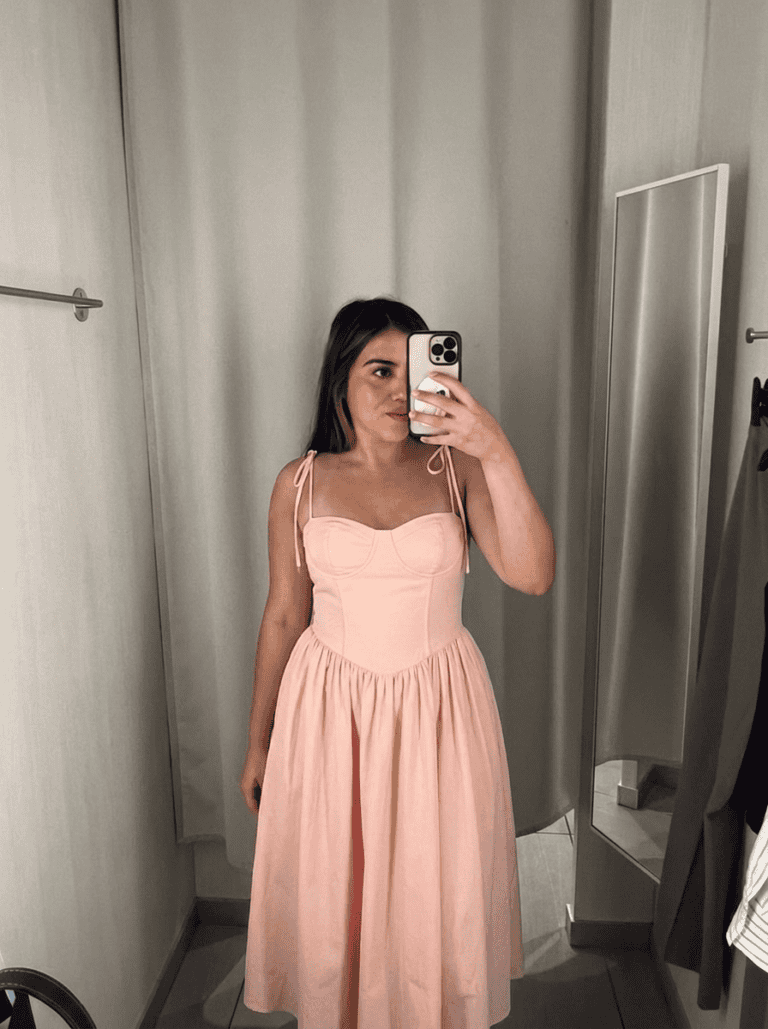
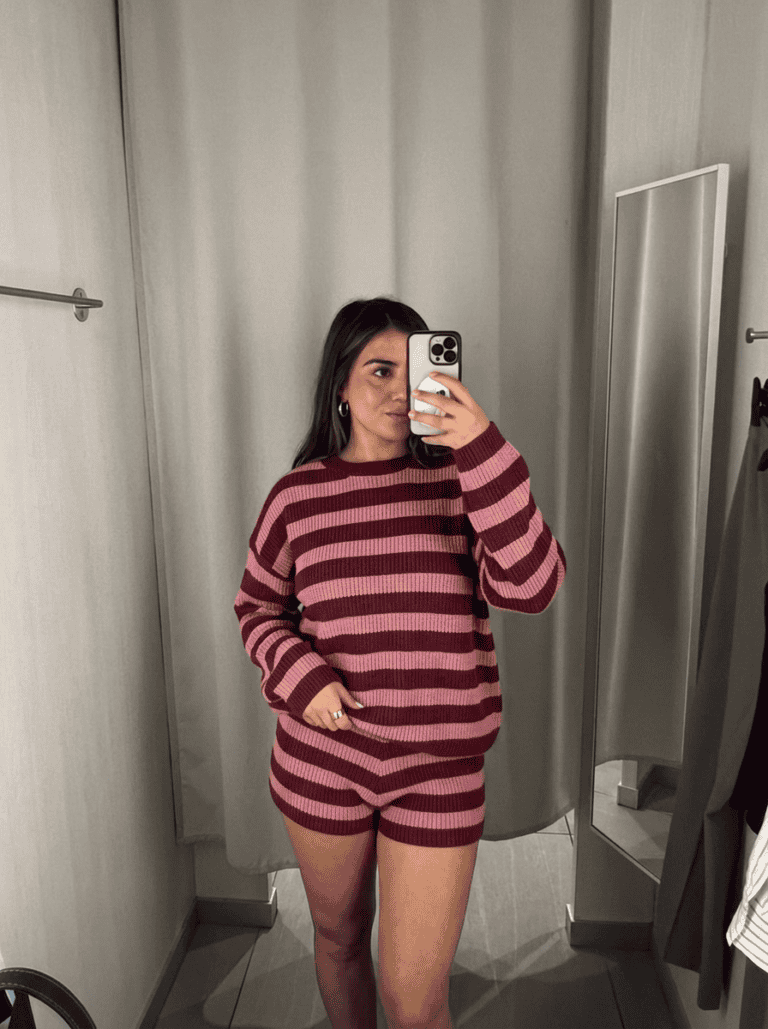
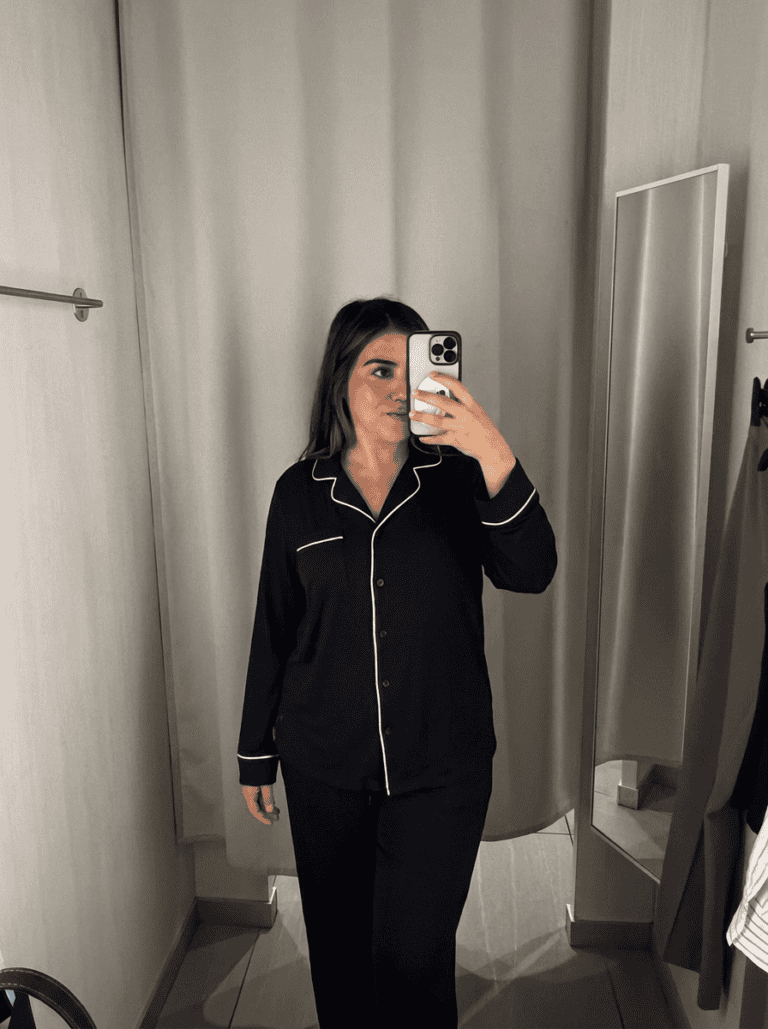
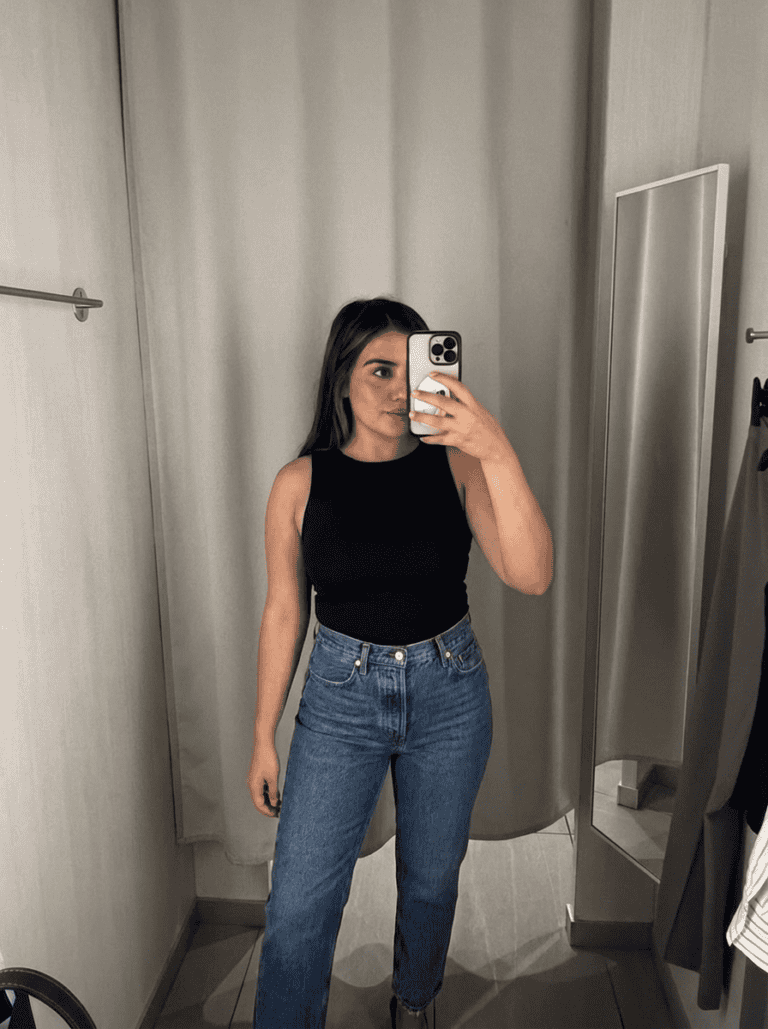
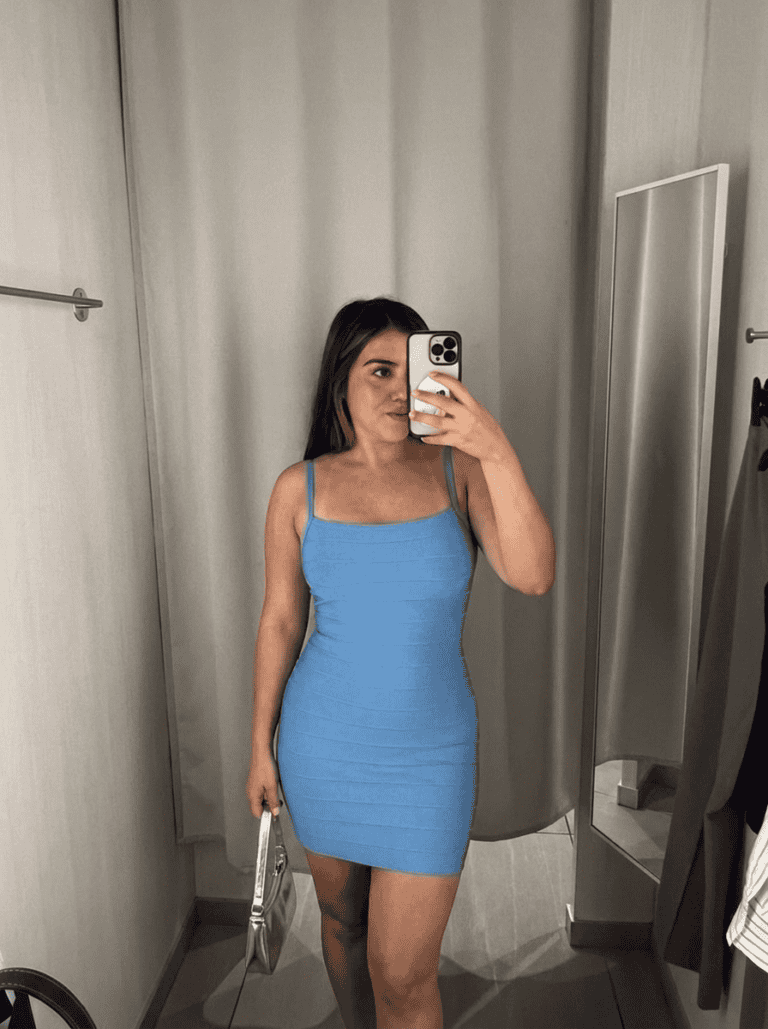
About the Author: I’m Jasmine Del Toro, founder of Layers of Beauty. For the past 8 years as a content creator, I’ve been on a journey figuring out what actually works for my body and what makes me feel like myself. It took a lot of trial and error, outfit fails, and honest mirror moments to get here. Along the way, I’ve been lucky enough to collaborate with brands like Princess Polly, Fashion Nova, Victoria’s Secret, and Target. This guide is everything I wish I knew when I started. The tips that actually worked, the mistakes I made so you don’t have to, and the real talk about building a wardrobe you’ll actually wear.
Last Updated: February 2026
Fashion isn’t about following every trend or spending a fortune. It’s about understanding what works for your body, lifestyle, and personality. This guide shares the fashion tips that create real style.
Great fashion is layered. It starts with understanding fit, builds with smart wardrobe choices, and finishes with confidence. These tips work because they focus on timeless principles, not fleeting trends.
Key Takeaways
- Fit > size every time – Focus on how clothes actually fit your body, not the number on the tag
- Build with 7-10 quality basics – These pieces should represent 60-70% of your daily outfits
- Create a 30-40 piece capsule wardrobe – Every item should coordinate with multiple others
- Calculate cost per wear – Formula: purchase price ÷ number of times worn
- Balance proportions – Pair fitted pieces with looser ones for visual harmony
- Dress for your actual lifestyle – Not an imagined version of your life
- Master the art of layering – Three layers (base, middle, outer) create versatile outfit options
📑 Table of Contents
- Understanding Your Body Type and Proportions
- What Are the Most Important Fashion Basics to Own?
- How Should Clothes Actually Fit?
- How Do I Build a Capsule Wardrobe?
- How to Extend the Life of Your Clothes
- Mastering Proportions and Balance
- Strategic Accessorizing
- Understanding Fabric Quality
- How Do I Identify My Personal Style?
- Creating Your Personal Color Palette
- Dressing for Your Lifestyle
- Developing Your Signature Look
- Mixing High and Low Fashion
- Understanding Occasion Dressing
- Playing With Texture and Pattern
- Everyday Fashion Formulas
- Seasonal Fashion Strategies
- Smart Shopping Habits
- Wardrobe Organization Tips
- Common Fashion Mistakes to Avoid
- Building Confidence in Your Style
- Sustainable Fashion Practices
- Frequently Asked Questions
Understanding Your Body Type and Proportions
Before buying anything, understand your body shape. This isn’t about fitting into categories – it’s about recognizing what balances your proportions. Some people have broader shoulders, others have fuller hips, many fall somewhere in between. Knowing your shape helps you choose clothes that flatter naturally.
💡 Pro Tip: Take your measurements: bust, waist, hips, and inseam. Keep these numbers in your phone. They make online shopping easier and help you find the right fit faster.
Body Type Guide: What Balances Each Shape
Hourglass
Characteristics: Bust and hips similar width, defined waist
What to Emphasize: Your natural waist
Recommended Cuts: Wrap dresses, belted styles, fitted silhouettes
Pear / Triangle
Characteristics: Hips wider than shoulders
What to Emphasize: Upper body and shoulders
Recommended Cuts: A-line skirts, boat necks, statement sleeves
Inverted Triangle
Characteristics: Shoulders wider than hips
What to Emphasize: Lower body and legs
Recommended Cuts: V-necks, straight-leg pants, fuller skirts
Rectangle
Characteristics: Shoulders, waist, and hips similar width
What to Emphasize: Create waist definition
Recommended Cuts: Peplum tops, belts, textured fabrics
Apple / Round
Characteristics: Weight carried in midsection
What to Emphasize: Legs and décolletage
Recommended Cuts: Empire waists, V-necks, structured fabrics
What Are the Most Important Fashion Basics to Own?
Your wardrobe foundation needs 7-10 quality pieces that last. These basics should represent 60-70% of your daily outfits because they get worn most often. Investing more in these core items makes financial and practical sense.
✨ The Essential 10: Your Wardrobe Foundation
- Well-fitted white t-shirt – Crew or V-neck in quality cotton
- Classic dark jeans – Mid to dark wash, straight or slim fit
- Tailored blazer – Neutral color (black, navy, or gray)
- Little black dress – Knee-length, simple silhouette
- White button-down shirt – Crisp cotton, classic fit
- Quality trousers – Neutral color, tailored fit
- Cashmere or quality sweater – Neutral or versatile color
- Leather jacket or trench coat – Depends on climate and style
- Versatile day-to-night bag – Structured, neutral color
- Classic shoes in 3 styles – Sneakers, flats/loafers, heels/boots
What Makes a “Quality” Basic?
Quality doesn’t always mean expensive. Look for these construction details that determine how long clothes last:
- Tight, even stitching – No loose threads or irregular seams
- Quality fabric weight – Substantial enough to drape well, not see-through
- Proper lining – Jackets and pants should be fully or partially lined
- Reinforced seams – Especially at stress points like pockets and shoulders
- Quality hardware – Zippers, buttons, and snaps that feel substantial
- Finished edges – All raw edges properly finished or hemmed
How Should Clothes Actually Fit?
Definitive principle: Size numbers mean nothing. Fit is everything. A size 6 from one brand fits like a size 10 from another. Stop focusing on the number on the tag. Focus on how clothes actually fit your body.
⚠️ Critical Rule: Clothes should skim your body without pulling or gaping. If something almost fits perfectly, tailoring makes it perfect. A $20 alteration can make a $50 item look like it cost $200.
The Perfect Fit Checklist
Shoulders
How It Should Fit: Seam sits at your natural shoulder line
Common Fit Issues: Seam droops down arm or pulls across back
Bust / Chest
How It Should Fit: Skims without pulling or gaping
Common Fit Issues: Buttons pull or fabric sags
Waist
How It Should Fit: Sits comfortably without digging in
Common Fit Issues: Creates muffin top or slides down
Sleeves
How It Should Fit: End at wrist bone or break where intended
Common Fit Issues: Too short or bunches at wrist
Pants Length
How It Should Fit: Grazes top of shoe or breaks once
Common Fit Issues: Puddles on floor or shows too much ankle
Overall
How It Should Fit: You can move comfortably and breathe easily
Common Fit Issues: Restricts movement or looks baggy
How Do I Build a Capsule Wardrobe?
Definition: A capsule wardrobe contains 30-40 pieces that all work together. Every item coordinates with multiple others. This approach means more outfit options with fewer clothes.
📊 The 30-40 Piece Breakdown
- 7-10 tops (t-shirts, blouses, sweaters)
- 5-7 bottoms (jeans, trousers, skirts)
- 3-5 dresses (day, work, evening options)
- 3-4 outerwear (blazer, jacket, coat)
- 3-5 shoe pairs (sneakers, flats, heels, boots)
- 5-8 accessories (bags, belts, jewelry)
- 2-3 workout/lounge (if needed for your lifestyle)
Result: These 30-40 pieces create 100+ outfit combinations.
Real Example: A Professional’s Spring Capsule
Meet Sarah, a marketing manager who works hybrid (3 days office, 2 days home). Her 35-piece spring capsule includes:
Colors: Navy, white, gray, camel (neutrals) + blush pink and olive green (accents)
Core pieces:
- 5 tops: 2 white tees, 1 navy blouse, 1 gray sweater, 1 blush silk top
- 4 bottoms: dark jeans, navy trousers, gray trousers, camel wide-leg pants
- 3 dresses: navy sheath, olive midi, casual striped
- 3 layers: navy blazer, camel trench, denim jacket
- 4 shoes: white sneakers, nude flats, black ankle boots, olive loafers
Why it works: Everything pairs together because she stuck to her 5-color palette. She can dress up for client meetings or down for home days with the same base pieces.
Building Your Own Capsule: The 3-Step Process
- Choose your color palette – Select 3 neutrals (black, white, gray, navy, beige) and 2 accent colors you love. Stick to this palette for 6 months.
- Audit your closet – Keep only pieces that fit your palette, fit your body, and fit your lifestyle. Be ruthless.
- Fill gaps strategically – Buy only what’s missing to complete your formulas (more on this below).
How to Extend the Life of Your Clothes
Proper care extends clothing life by 2-3 years on average. This protects your investment and reduces waste. Read care labels and follow them – they’re there for a reason.
💡 Quick Win: Steam instead of iron when possible. It’s gentler on fabric, faster, and creates fewer shiny marks on dark clothing. Remove clothes from the dryer slightly damp to prevent wrinkles.
Care Instructions by Fabric Type
Cotton
Best Care Method: Cold or warm wash, tumble dry low
What to Avoid: High heat (causes shrinking)
Storage Tips: Hang or fold
Wool
Best Care Method: Hand wash or dry clean, lay flat to dry
What to Avoid: Machine washing, wringing
Storage Tips: Fold with cedar blocks
Silk
Best Care Method: Dry clean or gentle hand wash
What to Avoid: Wringing, direct sunlight
Storage Tips: Padded hangers
Denim
Best Care Method: Wash inside out, cold water, hang dry
What to Avoid: Hot water, frequent washing
Storage Tips: Hang or fold
Linen
Best Care Method: Cold wash, air dry, iron while damp
What to Avoid: Over-drying (makes it brittle)
Storage Tips: Hang loosely
Cashmere
Best Care Method: Hand wash, lay flat to dry
What to Avoid: Hanging (stretches), heat
Storage Tips: Fold with lavender sachets
Special care tip: Wash jeans inside out in cold water to preserve color. Hang knits to dry instead of using the dryer to prevent shrinking. Store clothes on proper hangers – not wire ones from the dry cleaner, which can create shoulder dimples.
Mastering Proportions and Balance
The golden rule: Balance your proportions by pairing fitted pieces with looser ones. If you wear a loose top, pair it with fitted bottoms. If you wear wide-leg pants, balance them with a more fitted top.
This creates visual interest without overwhelming your frame. Wearing all tight or all loose rarely looks intentional.
Balance Examples That Always Work:
- Oversized sweater + skinny jeans
- Fitted turtleneck + wide-leg trousers
- Flowing maxi skirt + fitted tank
- Structured blazer + relaxed boyfriend jeans
- Baggy t-shirt + pencil skirt
Strategic Accessorizing
Accessories transform basic outfits. A statement necklace elevates a simple dress. A structured bag adds polish to jeans and a t-shirt. Quality shoes make every outfit look more expensive.
Investment priority: Spend more on accessories you’ll wear frequently. These pieces pay for themselves in cost per wear.
The Core Accessory Collection (Start Here)
- 1 leather belt – Classic brown or black, quality leather
- 1 statement piece – Bold necklace, scarf, or earrings in your style
- 1 watch or bracelet – Simple, classic design
- 1 versatile bag – Structured, neutral, holds daily essentials
- 3 pairs of quality shoes – Everyday sneakers, work-appropriate option, weekend casual
Understanding Fabric Quality
General principle: Natural fibers like cotton, wool, silk, and linen typically look better and last longer than synthetic materials. They breathe better and drape more naturally on the body.
However, some synthetics have their place. Performance fabrics work well for activewear. Blends can offer easy care. Learn which fabrics work for which purposes.
Fabric Comparison Guide
Cotton
Properties: Breathable, durable, easy care
Best Uses: Everyday basics, t-shirts, casual wear
Price Range: $–$$
Wool
Properties: Warm, naturally wrinkle-resistant, breathable
Best Uses: Suits, coats, winter wear
Price Range: $$–$$$
Silk
Properties: Luxurious drape, temperature regulating
Best Uses: Blouses, dresses, special occasion
Price Range: $$$–$$$$
Linen
Properties: Extremely breathable, wrinkles easily
Best Uses: Summer clothing, relaxed styles
Price Range: $$–$$$
Cashmere
Properties: Soft, warm, lightweight, delicate
Best Uses: Sweaters, scarves, luxury basics
Price Range: $$$–$$$$
Polyester
Properties: Durable, wrinkle-resistant, less breathable
Best Uses: Work pants, blended fabrics, linings
Price Range: $
Rayon / Viscose
Properties: Soft, drapes well, semi-synthetic
Best Uses: Dresses, blouses, affordable silk alternative
Price Range: $–$$
Spandex / Elastane
Properties: Stretch, recovery, blended with other fabrics
Best Uses: Jeans, activewear, fitted clothing
Price Range: $ (in blends)
How Do I Identify My Personal Style?
Your style should reflect your lifestyle and personality. If you work in a corporate office, you need different pieces than someone who works from home. If you prefer comfort, tight restrictive clothes won’t serve you.
The discovery process: Look at your favorite outfits. What do they have in common? That reveals your natural style preferences. Build from there instead of forcing trends that don’t feel like you.
🔍 Find Your Style: The 3-Question Method
- What do I reach for on busy mornings? – These pieces reveal what you find comfortable and confident
- Which outfits get the most compliments? – External validation often confirms what works for your body and personality
- What celebrities/influencers inspire my pins/saves? – Look for patterns in your style inspiration folder
The overlap of these three answers is your authentic style direction.
Common Style Categories (Use as Starting Points)
- Classic/Timeless: Neutral colors, clean lines, minimal trends (think: tailored blazers, crisp white shirts, straight-leg jeans)
- Romantic/Feminine: Soft fabrics, floral prints, flowing silhouettes (think: wrap dresses, ruffles, pastels)
- Edgy/Modern: Bold pieces, leather, asymmetry (think: moto jackets, combat boots, structured pieces)
- Bohemian/Relaxed: Natural fabrics, earthy colors, layered looks (think: maxi dresses, oversized knits, ethnic prints)
- Minimalist: Simple silhouettes, neutral palette, quality over quantity (think: monochrome, clean lines, understated)
- Preppy/Polished: Structured pieces, collegiate vibe, classic patterns (think: blazers, loafers, stripes)
Important note: Most people blend 2-3 of these categories. You don’t need to fit perfectly into one box.
Creating Your Personal Color Palette
Determine which colors complement your skin tone. Cool undertones look best in blues, purples, and jewel tones. Warm undertones suit earth tones, oranges, and warm reds. Neutral undertones can wear both.
💡 The Quick Test: Hold fabric near your face in natural light. The right colors make your skin look clear and bright. Wrong colors make you look washed out or sallow. Test silver jewelry vs. gold – whichever looks better indicates your undertone (silver = cool, gold = warm).
Undertone Guide
Cool
How to Identify: Blue or pink veins, silver jewelry flatters
Best Colors: True blue, emerald, purple, cool gray, icy pink
Colors to Avoid: Orange, warm yellow, bright coral
Warm
How to Identify: Green veins, gold jewelry flatters
Best Colors: Olive, rust, camel, warm beige, peach
Colors to Avoid: Icy pastels, pure white, jewel tones
Neutral
How to Identify: Mix of blue and green veins, both metals look good
Best Colors: Most colors work, focus on depth/saturation
Colors to Avoid: Extremely bright or neon shades
Dressing for Your Lifestyle
Critical principle: Your wardrobe should match how you actually live. If you work from home, you need comfortable but polished casual pieces. If you’re in client-facing roles, invest more in professional attire.
Be honest about your life. That gorgeous party dress isn’t a smart buy if you rarely attend events. Buy for the life you have, not the life you imagine.
Lifestyle-Based Wardrobe Allocation
Wardrobe Planning by Lifestyle
Corporate Office
Wardrobe Split: 60% work, 30% casual, 10% special
Priority Investments: Blazers, trousers, work dresses, professional shoes
Business Casual
Wardrobe Split: 50% work, 40% casual, 10% special
Priority Investments: Dark jeans, blouses, cardigans, versatile flats
Work From Home
Wardrobe Split: 20% video-ready, 70% casual comfort, 10% special
Priority Investments: Nice tops, comfortable bottoms, athleisure
Creative / Casual Field
Wardrobe Split: 40% work, 50% casual, 10% special
Priority Investments: Jeans, interesting tops, versatile layers
Active / Outdoor Work
Wardrobe Split: 50% performance wear, 40% casual, 10% dressy
Priority Investments: Durable fabrics, functional layers, quality basics
Stay-at-Home Parent
Wardrobe Split: 70% comfortable casual, 20% errands-ready, 10% date night
Priority Investments: Wash-and-wear pieces, comfortable shoes, easy layers
Developing Your Signature Look
Many stylish people have signature elements: always wearing red lipstick, a particular jewelry piece, or a specific silhouette they love. These signatures make getting dressed easier and create a cohesive personal brand.
Your signature might be all black everything, bold prints, classic preppy style, or minimalist chic. There’s no right answer – just what feels authentically you.
Real Signature Look Examples
- Always wears a statement necklace, even with casual tees. People recognize her style instantly.
- White sneakers with everything – suits, jeans, shorts. It’s his unexpected signature that elevates his looks.
- Never seen without a silk scarf, worn 20 different ways. She owns 30 scarves in coordinating colors.
- Monochrome outfits always – different shades of one color head to toe. Creates a striking, cohesive look.
Mixing High and Low Fashion
You don’t need designer everything. The most stylish people mix investment pieces with affordable finds. Pair designer jeans with a Target t-shirt. Wear fast fashion accessories with quality basics.
This approach keeps style accessible while ensuring your wardrobe includes some pieces that last for years.
The High-Low Strategy
Spend more on (high):
- Items that touch your skin daily (bras, underwear, basic tees)
- Shoes you wear frequently
- Classic pieces in your core wardrobe
- Outerwear and coats
- Quality denim
- Work staples you wear weekly
Save money on (low):
- Trendy pieces you’ll wear for one season
- Statement accessories
- Athleisure and gym wear
- Party dresses for one-time events
- Seasonal colors outside your core palette
- Costume jewelry
Understanding Occasion Dressing
Different occasions require different dress codes. Business professional means suits and closed-toe shoes. Business casual allows more flexibility but still looks polished. Casual doesn’t mean sloppy – it means comfortable and relaxed while still put-together.
When in doubt, dress slightly more formal. It’s easier to remove a blazer than to wish you’d worn one.
Dress Code Guide
Black Tie
What It Means: Most formal, evening events
Appropriate Outfit Examples: Floor-length gown, tuxedo, formal accessories
Cocktail
What It Means: Semi-formal evening
Appropriate Outfit Examples: Knee-length dress, suit, heels, dressy accessories
Business Professional
What It Means: Traditional office, client meetings
Appropriate Outfit Examples: Full suit, dress shirt, tie, closed-toe heels, minimal jewelry
Business Casual
What It Means: Office appropriate but relaxed
Appropriate Outfit Examples: Blazer + jeans, khakis + button-down, modest dress, loafers
Smart Casual
What It Means: Polished but comfortable
Appropriate Outfit Examples: Dark jeans + blazer, casual dress, nice top + trousers
Casual
What It Means: Relaxed, everyday wear
Appropriate Outfit Examples: Jeans + t-shirt, sundress, shorts + polo, sneakers
Playing With Texture and Pattern
Adding texture and pattern creates visual interest beyond just color. Mix smooth silk with chunky knits. Pair leather with soft cotton. Combine stripes with florals if they share a color.
💡 Pattern Mixing for Beginners: Start small if mixing patterns feels intimidating. A patterned scarf with a solid outfit is an easy entry point. Once comfortable, try pairing a striped top with a floral skirt in matching colors.
Texture Combinations That Work
- Chunky knit sweater + sleek leather pants
- Silk blouse + wool trousers
- Denim jacket + flowy chiffon dress
- Velvet blazer + cotton tee
- Suede shoes + linen pants
Everyday Fashion Formulas
Building practical daily outfits that look polished but feel effortless is the goal. Here’s how to dress well every single day without overthinking it.
The Casual Day Outfit Formula
Formula: Well-fitted bottoms + quality basic top + layer + casual shoes
Example combinations:
- Dark jeans + white tee + denim jacket + white sneakers
- Black leggings + oversized sweater + long cardigan + ankle boots
- Khaki pants + striped tee + blazer + loafers
This formula works for errands, coffee dates, casual lunches, and weekend activities. Swap pieces within the formula to create dozens of different looks.
The Work Outfit Formula
Formula: Tailored bottoms + blouse/button-down + optional blazer + professional shoes
Example combinations:
- Navy trousers + white button-down + black blazer + nude pumps
- Pencil skirt + silk blouse + cardigan + closed-toe flats
- Dark jeans + structured top + blazer + loafers
⚡ Quick Tip: Keep a blazer at your desk to throw on for unexpected meetings. It instantly elevates any outfit.
The Date Night or Evening Out Formula
Formula: One statement piece + simple supporting pieces + heels + minimal jewelry
Example combinations:
- Little black dress + statement earrings + strappy heels + clutch
- Silk cami + tailored pants + heels + delicate necklace
- Bold printed dress + nude heels + simple studs
A little black dress with different accessories creates completely different looks. This is why it’s a wardrobe essential.
The Work From Home Outfit
Formula: Comfortable bottoms + nice top + cozy layer
Example combinations:
- Soft joggers + blouse + cardigan
- Leggings + structured sweater + blazer (for video calls)
- Lounge pants + fitted tee + denim jacket
Working from home doesn’t mean staying in pajamas. The “business on top, comfort on bottom” approach works for video meetings. Just make sure you’re camera-ready from the waist up.
The Weekend Errand Outfit
Formula: Comfortable bottoms + relaxed top + sneakers + crossbody bag
Example combinations:
- Leggings + oversized sweatshirt + white sneakers + sunglasses
- Jeans + t-shirt + denim jacket + sneakers
- Athletic shorts + tank + hoodie + running shoes
Throw your hair in a neat ponytail or bun, add sunglasses, and you’re ready to go in five minutes.
Building Outfit Combinations
💡 Game-Changing Habit: Take photos of outfits you love when you wear them. Create a folder on your phone. On rushed mornings, scroll through for instant outfit ideas.
The 3-Outfit Test: When you buy something new, immediately style it three different ways. If you can’t create three outfits, you probably don’t need that piece.
Seasonal Fashion Strategies
Seasonal Wardrobe Strategy
Winter
Key Strategy: Layer in three levels: base, middle, outer
Must-Have Items: Quality coat, boots, warm scarves, gloves, base layers
Color Palette: Deep jewel tones, blacks, grays, burgundy
Spring
Key Strategy: Light layering for temperature swings
Must-Have Items: Trench coat, cardigans, light jackets, transition pieces
Color Palette: Pastels, light neutrals, soft greens and blues
Summer
Key Strategy: Breathable fabrics, loose fits
Must-Have Items: Sundresses, linen pieces, sandals, lightweight tops
Color Palette: Whites, bright colors, tropical prints
Fall
Key Strategy: Transitional layering, rich textures
Must-Have Items: Versatile jacket, sweaters, ankle boots, scarves
Color Palette: Burgundy, forest green, burnt orange, camel
Winter Fashion Tips
Layer strategically in winter using the three-layer system: Start with a base layer (thermal or thin sweater), add a middle layer for warmth (sweater or fleece), finish with an outer layer for weather protection (coat or parka).
Invest in a quality coat – you’ll wear it daily for months. The cost per wear calculation makes a $300 coat that lasts 5 winters ($60/winter, worn 60+ times = $1 per wear) more economical than a $100 coat that lasts one winter.
Choose boots that work with multiple outfits. Waterproof options make sense in snowy or rainy climates. Add warm accessories like scarves and gloves that complement your coat.
Spring Fashion Transitions
Spring means layering lighter pieces. Cardigans, light jackets, and scarves help you adjust to fluctuating temperatures. Choose brighter colors and lighter fabrics as weather warms.
A trench coat works for spring rain and cooler days. It’s professional enough for work and casual enough for weekends.
Summer Fashion Basics
Choose breathable natural fabrics like cotton and linen for summer heat. Loose-fitting clothes keep you cooler than tight synthetic materials. Light colors reflect heat better than dark ones.
Invest in quality sandals and summer shoes you’ll wear repeatedly. Sundresses and shorts with nice tops create easy summer outfits.
Fall Fashion Essentials
Fall is perfect for layering. Pair sweaters with jeans, boots with dresses, jackets with everything. Incorporate rich colors like burgundy, forest green, and burnt orange.
A versatile fall jacket – denim, leather, or utility style – bridges the gap between summer and winter coats.
Smart Shopping Habits
Shop Your Closet First
Before buying anything new, review what you own. You might rediscover forgotten pieces or see new combination possibilities. This saves money and reduces waste.
Try everything on. Clothes that don’t fit or that you don’t love shouldn’t take up space. Donate or sell them.
Use the One In, One Out Rule
When you buy something new, remove something old. This keeps your closet manageable and prevents accumulation of unworn clothes.
Exception: If you genuinely need more of something (like work pants), you can add without removing. But be honest about genuine needs versus wants.
Wait 24 Hours Before Buying
For non-essential purchases, wait at least 24 hours before buying. This prevents impulse purchases you’ll regret. If you’re still thinking about it the next day, it might be worth buying.
Save items in your online cart and revisit them later. Many times, you’ll realize you don’t actually want them.
Focus on Cost Per Wear
The formula: Cost per wear = purchase price ÷ number of times worn
Real examples:
- A $200 coat worn 100 times = $2 per wear
- A $50 dress worn once = $50 per wear
- A $100 blazer worn 50 times = $2 per wear
- A $30 trendy top worn 3 times = $10 per wear
This framework helps justify quality investment pieces while avoiding cheap items you’ll rarely use. Aim for items you’ll wear at least 30 times.
Know Your Measurements and True Size
Sizes vary wildly between brands. When shopping online, check size charts and measure yourself. Reviews often mention if items run large or small.
⚠️ Essential Action: Keep your measurements saved in your phone notes for easy reference. This dramatically reduces returns and disappointment. Update them every 6 months.
Wardrobe Organization Tips
Organize by Category
Group similar items together: all dresses in one section, all pants together, tops organized by sleeve length or style. This makes getting dressed faster and helps you see what you actually own.
Use matching hangers for a cohesive, organized look. Velvet hangers prevent clothes from slipping. Wood hangers work well for heavier items like coats.
Seasonal Rotation
Store off-season clothes to free up closet space. Use vacuum bags or storage bins for bulky winter items during summer and vice versa.
Before storing, ensure clothes are clean. Stains set over time and attract pests. Add cedar blocks or lavender sachets to deter moths.
Create a Getting-Ready Station
Designate a space for planning outfits. This might be a clothing rack, a chair, or a section of closet. Lay out complete outfits the night before for stress-free mornings.
Keep frequently worn items at eye level and easy to reach. Store special occasion pieces higher or lower since you access them less often.
Common Fashion Mistakes to Avoid
Wearing the Wrong Size
Too-tight clothes are uncomfortable and unflattering. Too-loose clothes look sloppy. Both extremes undermine your appearance. Proper fit is always more important than size numbers.
When something almost fits, consider tailoring. A $20 alteration can make a $50 item look like it cost $200.
Following Every Trend
Trends come and go quickly. Building your wardrobe around trends means constantly replacing clothes and never developing personal style.
Choose trends selectively. If something genuinely appeals to you and works with your existing wardrobe, try it. If not, skip it.
Ignoring Fabric Care Instructions
Improper care ruins clothes fast. Washing dry-clean-only items shrinks them. Using high heat on delicates damages fabric. Following care labels protects your investment.
If care seems too complicated, don’t buy the item. Clothes you can’t properly maintain aren’t practical.
Keeping Clothes That Don’t Fit
Holding onto too-small clothes “for motivation” just takes up space and makes you feel bad. Keeping too-large clothes “just in case” clutters your closet.
Keep only what fits your body now. If your size changes, celebrate by buying new clothes that fit well.
Neglecting Shoes and Accessories
Beautiful clothes with worn-out shoes or no accessories look incomplete. Polish or replace scuffed shoes. Add a simple necklace or earrings. These details elevate any outfit.
Your accessories should be as well-maintained as your clothes. Clean bags, polish jewelry, and repair damaged items.
Building Confidence in Your Style
Dress For Yourself First
Wear what makes you feel confident and comfortable. Style is personal. What works for someone else might not work for you, and that’s perfectly fine.
If you feel uncomfortable in something, it doesn’t matter how “on trend” it is. Confidence is your best accessory.
Experiment Without Pressure
Try new styles at home before wearing them out. This builds confidence and helps you decide if something truly works for you.
Fashion should be fun, not stressful. Experiment, make mistakes, learn what you love. That’s how personal style develops.
Take Style Inspiration Thoughtfully
Look at style inspiration from magazines, social media, or people you admire. But adapt ideas to your body, lifestyle, and preferences rather than copying exactly.
Create a style inspiration folder. Review it periodically to identify patterns in what you’re drawn to.
Sustainable Fashion Practices
Buy Less, Choose Well
This is the core principle repeated throughout this guide for a reason: Quality over quantity reduces waste and saves money long-term. One well-made piece that lasts five years beats five cheap pieces that last one year each.
Before buying, ask: Will I wear this at least 30 times? If not, reconsider.
Care For What You Own
Proper care extends clothing life by 2-3 years. Repair small issues before they become big problems. Replace buttons, fix small tears, and address loose seams promptly.
Learn basic repairs or find a local tailor. These small fixes save money and reduce waste.
Shop Secondhand
Thrift stores, consignment shops, and online resale platforms offer quality pieces at lower prices. You can find designer items, vintage pieces, and unique finds.
Buying secondhand reduces environmental impact while saving money. It’s better for your wallet and the planet.
Frequently Asked Questions
What is a capsule wardrobe?
A capsule wardrobe is a collection of 30-40 essential clothing pieces that all coordinate with each other. Every item should work with multiple others, creating 100+ outfit combinations from a limited number of pieces. The key is choosing a cohesive color palette (typically 3 neutrals and 2 accent colors) and selecting versatile pieces that suit your lifestyle.
How many basic items do I need in my wardrobe?
You need 7-10 quality basic items that should represent 60-70% of your daily outfits. These include: a well-fitted white t-shirt, classic dark jeans, a tailored blazer, a little black dress, a white button-down shirt, quality trousers, a cashmere or quality sweater, a versatile jacket or coat, a structured bag, and classic shoes in three styles (sneakers, flats/loafers, heels/boots).
What’s the difference between fashion and style?
Fashion refers to current trends and what’s popular in clothing at any given time. Style is your personal aesthetic – how you choose to dress based on your body, lifestyle, and personality. Fashion changes seasonally; style evolves gradually and reflects who you are. Great style uses fashion selectively, incorporating only trends that genuinely suit you.
How do I know what colors look good on me?
Determine your undertone first: cool (blue/pink veins, silver jewelry flatters), warm (green veins, gold jewelry flatters), or neutral (mix of both, both metals look good). Hold fabrics near your face in natural light – the right colors make your skin look clear and bright, while wrong colors make you look washed out. Cool undertones suit blues, purples, and jewel tones. Warm undertones suit earth tones, oranges, and warm reds.
How should clothes actually fit?
Proper fit means clothes skim your body without pulling or gaping. Shoulders should align with your natural shoulder line. Pants should sit comfortably at your natural waist without digging in. Sleeves should end at your wrist bone. The overall garment should allow comfortable movement and easy breathing. Size numbers are meaningless – focus only on how the garment actually fits your body.
What is cost per wear and why does it matter?
Cost per wear is calculated by dividing the purchase price by the number of times you wear an item. For example, a $200 coat worn 100 times costs $2 per wear, while a $50 dress worn once costs $50 per wear. This framework helps justify quality investment pieces and prevents buying cheap items you’ll rarely use. Aim for items you’ll wear at least 30 times.
How do I build outfits quickly in the morning?
Use outfit formulas: For casual days, pair well-fitted bottoms + basic top + layer + shoes. For work, use tailored bottoms + blouse + optional blazer + professional shoes. Take photos of outfits you love and save them in a phone folder for quick reference. Lay out complete outfits the night before. When you buy something new, immediately style it three different ways – if you can’t, you probably don’t need it.
Should I follow fashion trends?
Follow trends selectively, not comprehensively. Building your wardrobe around trends means constantly replacing clothes and never developing personal style. Choose trends only if they genuinely appeal to you and work with your existing wardrobe. If a trend doesn’t feel authentic to your style or doesn’t suit your body type, skip it entirely. Timeless pieces always outlast trendy ones.
How do I dress for my body type?
Focus on balance rather than hiding features. Pair fitted pieces with looser ones – if you wear a loose top, pair it with fitted bottoms and vice versa. Identify your body shape (hourglass, pear, inverted triangle, rectangle, or apple) and emphasize your preferred features using appropriate cuts and silhouettes. The goal is proportion and visual harmony, not following rigid rules.
How can I make my clothes last longer?
Follow care labels exactly, wash jeans inside out in cold water, hang knits to dry instead of using the dryer, and store clothes on proper hangers (not wire ones). Steam instead of iron when possible. Remove clothes from the dryer slightly damp to prevent wrinkles. Repair small issues immediately – replace buttons, fix small tears, and address loose seams before they become major problems. Proper care can extend clothing life by 2-3 years.
The Long-Term Fashion Approach
Building great style takes time. It’s not about one perfect outfit or one shopping trip. It’s about consistently making good choices that align with your lifestyle and preferences.
Your style will evolve as you do. What you wear at 25 differs from what you wear at 35 or 45. Allow your fashion to grow with you.
Remember the Core Principles
The goal isn’t perfection. It’s developing a wardrobe that makes getting dressed easy, helps you feel confident, and reflects who you are. These fashion tips provide the foundation. How you layer them creates your personal style. Start with fit, build with 7-10 quality basics representing 60-70% of your wardrobe, create a 30-40 piece capsule where everything coordinates, and always dress for the life you actually live.
Jasmine Del Toro
Founder, Layers of Beauty
Updated February 2026