
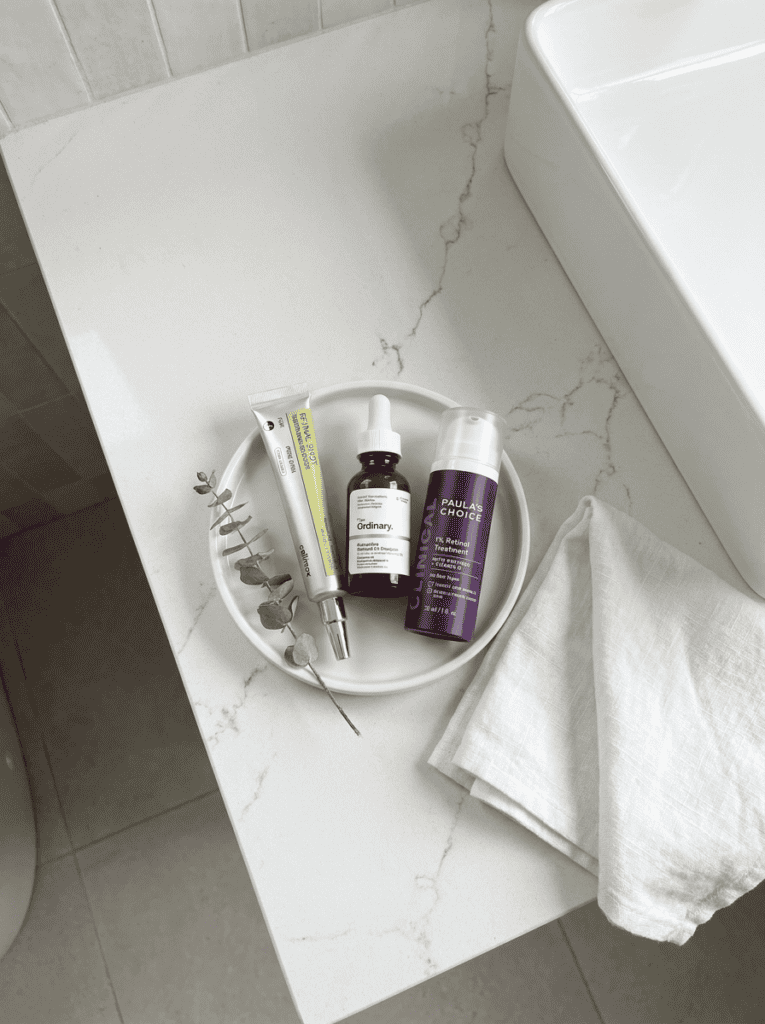
This post contains affiliate links. If you purchase through my links, I may earn a small commission at no extra cost to you. I only recommend products I have personally tested and genuinely love.
Published July 21, 2026 · Last updated July 21, 2026
Retinol, retinal, retinoid: three words that sound almost identical and confuse everyone. If you have ever stood in the skincare aisle unsure which one you actually need, you are not alone.
The good news is the difference is simple once someone explains it plainly. Below I break down what each one means, how strong they are, and how to pick the right one for your skin.
New to this whole category? Start with my beginner guide to retinol, learn how to pair it safely in my retinol and vitamin C guide, and see where it fits in my skincare layering order.
Retinol vs Retinal vs Retinoid: What's the Difference?
Retinoid is the umbrella term for all vitamin A skincare ingredients, while retinol and retinal are two specific types within that family. It matters because they differ in strength and speed, so choosing the right one prevents irritation. This is most useful for anyone confused about which vitamin A product to buy for anti-aging or acne.
The Short Answer
Retinoid is the umbrella term for all vitamin A ingredients. Retinol is the common, gentler over-the-counter version, while retinal (retinaldehyde) is stronger and works faster because it is one step closer to the active form. Beginners should start with retinol; those who tolerate it well can move up to retinal.
Quick Takeaways
- Retinoid is the umbrella term for all vitamin A ingredients.
- Retinol is the common, gentle over-the-counter option.
- Retinal is stronger and faster than retinol.
- Tretinoin is a prescription-strength retinoid.
- Beginners should start with retinol.
- Always wear SPF when using any retinoid.
Retinol vs Retinal vs Retinoid: What's the Difference?
Here is the simplest way to think about it: retinoid is the whole family, and retinol and retinal are two members of it. They all come from vitamin A and speed up skin cell turnover.
The main difference between retinol and retinal is strength and speed. Retinal is stronger and works faster because it is closer to the form your skin can actually use.
Here is a simple side-by-side of all three terms.
Retinoid (the umbrella term)
- What it is: The whole family of vitamin A ingredients
- Strength: Ranges from gentle to prescription-strong
- Includes: Retinol, retinal, tretinoin, and more
- Best for: Understanding the category as a whole
Retinol
- What it is: The most common over-the-counter retinoid
- Strength: Gentle to moderate
- Speed: Slower, takes a few conversion steps in skin
- Best for: Beginners and sensitive skin
Retinal (retinaldehyde)
- What it is: A stronger over-the-counter retinoid
- Strength: Stronger than retinol, still non-prescription
- Speed: Faster, one step closer to active form
- Best for: Those who tolerate retinol and want more
One for each tier — start at retinol, move up to retinal, and use a blended retinoid if your skin reacts easily.
What Is a Retinoid?
A retinoid is any skincare ingredient derived from vitamin A. It is the umbrella term that covers gentle over-the-counter options and strong prescription ones alike.
Retinoids work by speeding up how fast your skin renews itself. That is what smooths texture, softens fine lines, and helps with breakouts over time.
So when a product says retinoid, it is telling you the category, not the exact strength. Retinol, retinal, and prescription tretinoin are all retinoids.
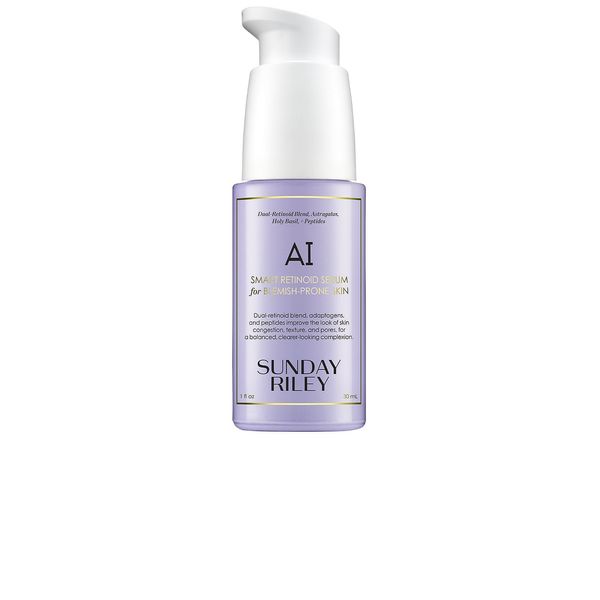
A blended retinoid rather than a single strength, which is why it suits blemish-prone skin without the peeling week. This is the one I recommend when someone wants results but has reacted badly to straight retinol before.
Shop Now →What Is Retinol?
Retinol is the most common over-the-counter retinoid, and it is gentle to moderate in strength. It is the one most people start with because it is widely available and easy to tolerate.
Your skin has to convert retinol through a couple of steps before it can use it, which is why it works more slowly and gently. I keep a retinol I love in my nighttime routine for exactly this reason.
If you are new to vitamin A, retinol is almost always the right starting point. Begin with a couple of nights a week and build up.
A retinol and green tea PDRN serum — gentle enough that I can use it most nights in LA's dry air without my skin getting tight. If you're starting from zero, this is the tier to start at.
Shop Now →What Is Retinal?
Retinal, also called retinaldehyde, is a stronger over-the-counter retinoid than retinol. It works faster because it is only one conversion step away from the active form your skin uses.
That extra strength means quicker results, but also a slightly higher chance of irritation. It is best for people who already tolerate retinol and want to level up.
Retinal is still non-prescription, sitting between everyday retinol and prescription-strength options in power.
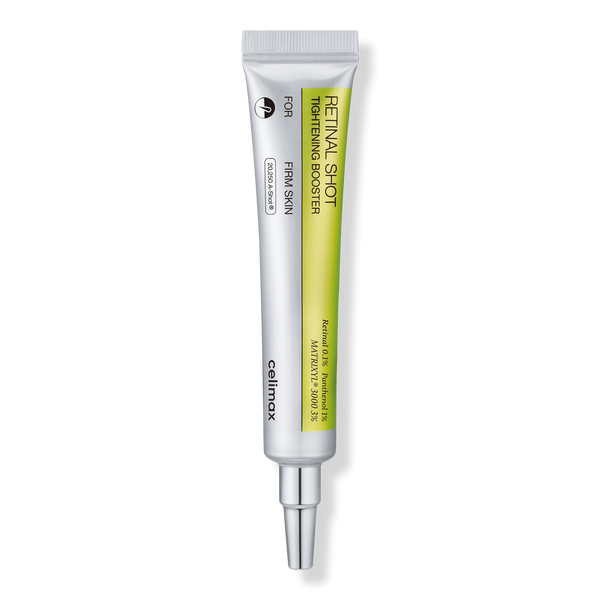
A booster you can mix into your moisturiser, so you control the dose instead of committing to a full-strength serum. The sensible way to step up from retinol without shocking your skin.
Shop Now →Which One Should You Use?
Choose based on your experience: start with retinol if you are new, move to retinal if retinol feels easy, and see a dermatologist for prescription tretinoin if you want the strongest results.
Whichever you pick, go slow, buffer with moisturizer, and never skip sunscreen. Retinoids make your skin more sensitive to the sun.
For a full beginner walkthrough, my retinol for beginners guide covers exactly how to start without irritation.
Frequently Asked Questions
What is the difference between retinol, retinal, and retinoid?+
Is retinal stronger than retinol?+
Which is better, retinol or retinal?+
Is a retinoid the same as retinol?+
What is the strongest retinoid?+
Can beginners use retinal?+
Do you need a prescription for retinal?+
How long does it take to see results from a retinoid?+
Can you use retinol and retinal together?+
Do retinoids make you more sensitive to the sun?+
The Bottom Line: Pick the Right One for Your Skin
Understanding three confusing words is a small thing, but it is also how you stop wasting money on the wrong products. Knowing the difference means you can shop with confidence instead of guessing.
Good skincare is not about using the strongest thing on the shelf. It is about choosing what is right for your skin and using it consistently.
Ready to start? My retinol for beginners guide walks you through it step by step, and you can find what I use in my LTK shop.
New to vitamin A: retinol. Already tolerating retinol: retinal. Breakout-prone and easily irritated: a blended retinoid.