
Published: March 30, 2026 | Last Updated: March 30, 2026
A skin analysis is a professional examination of your skin that identifies your skin type, your specific concerns, and which products and treatments will actually work for you – versus the ones wasting your time and money.
A professional skin analysis is one of the most useful things you can do for your skincare routine. A trained expert examines your skin up close, identifies your exact type and concerns, and tells you how your skin is responding to the products you are already using. Most people are using the wrong products for years without ever knowing it. One appointment can completely change that.
- If you are not sure what skin type you have yet, start here: How to Determine Your Skin Type – it will make your analysis results make a lot more sense.
- Once you know your skin type, you will want to double-check what is already in your products: Skincare Ingredients to Avoid covers the ones that could be quietly working against you.
- If redness and uneven skin tone are concerns for you too, my review of the Erborian CC Cream is worth a read – it is one of my go-to products for covering redness without feeling heavy.
- Finding the right moisturizer after a skin analysis can feel overwhelming – my Best Drugstore Moisturizer guide breaks it down without the guesswork.
- And if you want to see how I put everything together after adjusting my routine, check out my Nighttime Skincare Routine – it reflects a lot of what I learned from my skin analysis.
What Is a Skin Analysis?
A skin analysis is a detailed, professional examination of your skin. A trained specialist looks at your skin type, moisture levels, oiliness, redness, texture, and how well your skin actually absorbs and holds onto the products you put on it.
It is not the same thing as a facial. A facial treats your skin. A skin analysis teaches you about your skin. Those are two very different things – and understanding that difference can save you a lot of money.
Some analyses use a special device or lamp to see beneath the surface of your skin. Others are done by hand and by careful visual examination. Either way, you walk out knowing more about your skin than you did when you walked in.
How Did I Get My Skin Analysis at Hapa Kristin on Melrose?
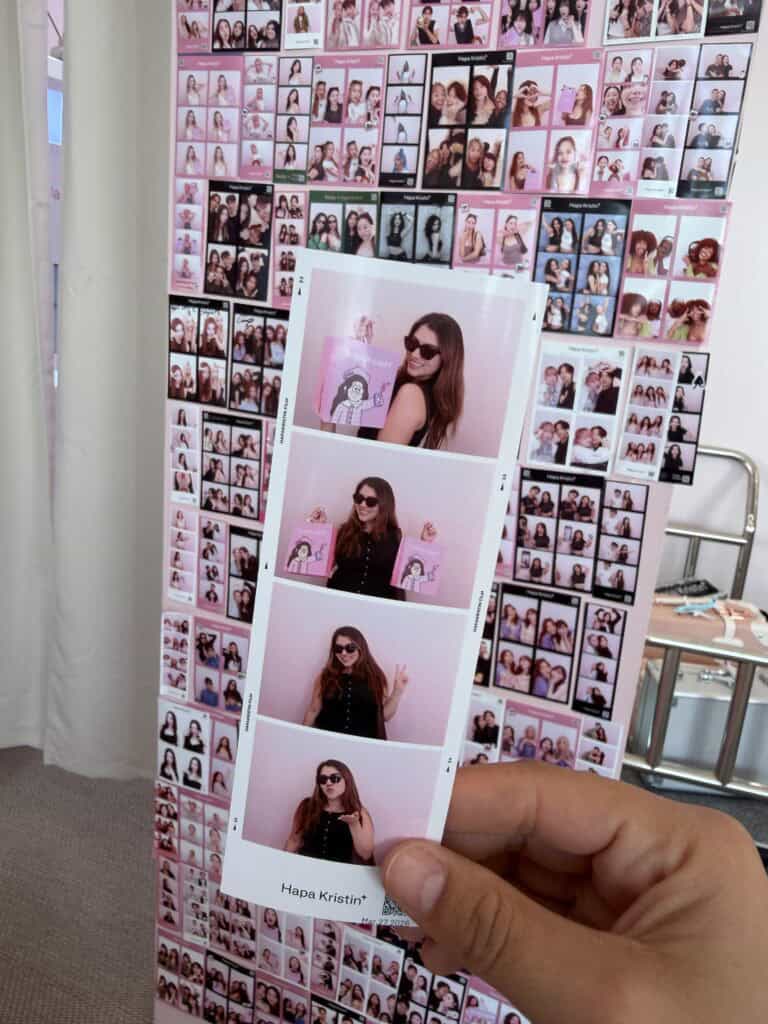
I walked into Hapa Kristin at 8022 Melrose Avenue in Los Angeles in March 2026, honestly expecting to just browse. I had heard it was a Korean colored contacts store, and I was also curious about the K-beauty skincare brands they carry in the store.
What I did not know going in was that Hapa Kristin offers a complimentary skin analysis as part of their experience. No appointment. No purchase required. You just sit down, they look at your skin, and they walk you through everything they find.
The store itself is stunning – very pink, very K-beauty, very LA. They carry eight premium Korean cosmetic brands including Skin1004, Anua, d’Alba, Klairs, VT Cosmetics, Essenherb, ByUR, and ShaishaiShai. But the skin analysis ended up being the most valuable part of my entire visit.
What Happens During a Professional Skin Analysis?
The process at Hapa Kristin was quick, comfortable, and genuinely informative. Here is a step-by-step breakdown of what happens so you know exactly what to expect.
- Your skin is examined up close. The professional looks at your face carefully – checking texture, pore size, oiliness, dryness, redness, and how your skin looks in different areas. They are building a full picture of your skin before they say anything.
- They ask about your current routine. What cleanser are you using? Do you moisturize? Are you wearing SPF daily? This context matters because it helps them understand why your skin looks the way it does right now.
- They assess your skin type. Oily, dry, combination, sensitive – or some mix of all of the above. Many people think they know their skin type and turn out to be wrong. I thought I did too.
- They evaluate how well your skin retains products. This is the step that surprised me the most. A professional can actually tell whether the products you are applying are being absorbed and kept in the skin – or whether they are sitting on the surface and evaporating before your skin can use them.
- You receive personalized recommendations. Based on everything they find, you get specific advice on what to add, remove, or adjust in your routine. This is where the real value lives. It is not generic advice – it is advice for your skin, based on what they actually observed.
The whole appointment at Hapa Kristin took about 15 to 20 minutes. It felt more like a conversation than a clinical exam, which made the experience feel approachable and easy.
What Did My Skin Analysis Reveal About My Skin?
This is the part I was not fully prepared for – and I mean that in the best way possible. I have been doing a skincare routine for years. I thought I had a solid handle on my skin. My analysis showed me three things I had completely missed.
My skin is not retaining my products. This was the big one. I have been using mostly water-based products – lightweight serums and hydrating toners. They feel great going on, but they were evaporating off my skin before it could absorb them. I was essentially applying products and getting almost none of the benefit.
The fix is simple once you know it: after applying water-based products, seal everything in with a facial mist or spray that contains oil. The oil acts as a barrier and locks in all the hydration and active ingredients underneath. I had never heard this tip before. It changed my entire routine.
My chin is oily. The rest of my face behaves differently, which means I have combination skin – something I was not treating correctly. I was using the same products across my whole face when I should have been using targeted products for my oilier zones.
I have a lot of redness across my face. This one I already suspected, but I did not realize how significant it was until it was pointed out to me directly. The professional recommended I focus on calming, anti-inflammatory ingredients like centella asiatica and niacinamide to bring the redness down.
None of this is information I could have figured out from looking in my bathroom mirror. That is exactly why a professional skin analysis is worth doing – even when you think you already know your skin.
Types of Skin Analysis: Which One Should You Get?
In-Store K-Beauty Skin Analysis
- Example: Hapa Kristin, 8022 Melrose Avenue, Los Angeles
- Cost: Free – complimentary with visit, no purchase required
- Best For: Learning your skin type and getting personalized K-beauty product recommendations
- Tools Used: Professional visual examination and one-on-one consultation
- Pros: No appointment needed, zero cost, low pressure, get product recs on the spot
- Cons: Less clinically detailed than a dermatologist; recommendations may focus on in-store brands
- Depth of Analysis: Surface and mid-level skin concerns
Dermatologist Skin Analysis
- Example: Board-certified dermatologist visit
- Cost: $150 – $400+ depending on your insurance
- Best For: Diagnosing skin conditions like rosacea, eczema, hyperpigmentation, or early signs of skin cancer
- Tools Used: Dermatoscope, Wood’s lamp, digital imaging systems
- Pros: Most medically thorough option; can prescribe treatments; early detection of serious concerns
- Cons: Expensive, requires a scheduled appointment, can feel impersonal
- Depth of Analysis: Deep – surface, sub-surface, and full medical evaluation
Med Spa Skin Analysis
- Example: VISIA Skin Analysis System at medical spas
- Cost: $50 – $150, sometimes free when bundled with a treatment booking
- Best For: Detailed imaging of sun damage, pores, texture, pigmentation, and UV damage not visible to the naked eye
- Tools Used: VISIA rotating multi-spectrum camera; AI-powered imaging software
- Pros: Highly visual reports you can see and compare over time; reveals hidden UV damage
- Cons: Often used to push expensive treatments; can feel overwhelming for first-timers
- Depth of Analysis: Very deep – includes sub-surface and UV layer imaging
AI App-Based Skin Analysis
- Example: Apps like YouCam Makeup, Proven Skincare, or SkinBetter Science
- Cost: Free to $30 per month depending on the app
- Best For: Getting a rough starting point before seeing a professional
- Tools Used: Smartphone camera combined with AI-powered skin recognition algorithm
- Pros: Available anytime from home; convenient and private; good for tracking changes over time
- Cons: Much less accurate than any in-person analysis; no physical examination involved
- Depth of Analysis: Surface level only – limited to what the camera can see
Why Is a Professional Skin Analysis Important?
Most people build their skincare routines based on guesswork. They see a product on social media, try it, and hope for the best. A skin analysis stops that cycle entirely.
According to licensed estheticians, the biggest skincare mistakes people make almost always come from not knowing their actual skin type. Treating oily skin the wrong way can make it worse. Using rich moisturizers on the wrong areas can cause breakouts. Using only water-based products without a sealing step – like I was doing – means you are spending money and getting almost none of the benefit.
A skin analysis gives you a real, accurate starting point. It removes the trial-and-error phase that costs people years of frustration and hundreds of dollars in the wrong products.
Research in professional esthetics education supports the idea that personalized skincare is significantly more effective than using generic routines designed for a broad audience. Knowing your exact concerns – poor product retention, oily zones, facial redness – means every product you use from that point forward is targeted and intentional.
There is another benefit most people do not think about: a skin analysis can help you avoid bad reactions. If you have underlying sensitivity or redness and you do not know it, you might be using products that are actively irritating your skin without connecting the dots. A professional catches that immediately.
What Mistakes Should You Avoid Before and After a Skin Analysis?
Getting a skin analysis is simple, but there are a few common mistakes that can get in the way of accurate results – or keep you from actually benefiting from what you learn.
- Do not wear heavy makeup to your appointment. A professional needs to see your real skin. Foundation, concealer, and thick skincare products can hide what is actually happening underneath.
- Do not try new products right before your appointment. New products can cause temporary reactions that give a misleading picture of your skin. Stick to your regular routine for at least one week before your analysis.
- Do not skip the question-and-answer portion. The consultation conversation is just as important as the physical examination. Be honest about what you are using, what you have tried, and what concerns you most.
- Do not leave without writing down the recommendations. It is easy to walk out feeling great and then forget everything. Take notes or photograph the product recommendations so you can actually follow through on them.
- Do not expect overnight results. A skin analysis points you in the right direction, but your skin needs time to respond. Most people start to see noticeable improvement four to six weeks after correcting their routine.
- Do not treat it as a one-time thing. Your skin changes with the seasons, your diet, your stress levels, and your age. Most professionals recommend getting a skin analysis every three to six months to keep your routine accurate.
What Are the Pros and Cons of Getting a Professional Skin Analysis?
The Pros
- You learn your real skin type – not what you assumed it was based on how your skin feels on a random Tuesday.
- You stop wasting money on products that are wrong for your skin and start investing in ones that actually work.
- You get specific product recommendations based on what a professional actually sees on your skin – not generic advice that works for everyone.
- You can catch problems early – sun damage, early sensitivity, or inflammation – before they become bigger, harder-to-treat issues.
- It can be completely free. Places like Hapa Kristin on Melrose Avenue in Los Angeles offer complimentary skin analysis with no purchase required and no appointment needed.
- You walk away with a clear action plan instead of vague advice you have to figure out yourself.
The Cons
- In-store analyses may lean toward products they carry. It is always smart to do a little research on any recommendation before you buy.
- It can feel like a lot of information at once. Hearing several new things about your skin in one appointment can feel overwhelming. Take notes and process it at your own pace.
- A free in-store analysis is not a substitute for a dermatologist if you are dealing with a serious or persistent skin condition. Know when to step up the level of care.
- The analysis is only valuable if you follow through. Walking out and doing nothing with the information is the biggest waste of the experience.
How I Tested This
In March 2026, I visited Hapa Kristin at 8022 Melrose Avenue in Los Angeles for a complimentary skin analysis during a regular weekday visit. I went without makeup and with only my usual morning skincare routine on my skin.
The analysis was done by a skincare professional at the store. I asked follow-up questions throughout to understand each finding, and I took notes on everything that was recommended. After the appointment, I researched the recommended ingredients and began adjusting my routine to reflect what I had learned.
I cross-referenced the information I received with guidance from board-certified dermatologists and well-known skincare publications to verify accuracy. I am not a licensed esthetician or a dermatologist – I am someone who lives in LA, tests beauty products in real life, and shares what actually works.
Frequently Asked Questions About Skin Analysis
What is a skin analysis and what does it tell you?
A skin analysis is a professional examination of your skin that reveals your skin type, active concerns, and how effectively your skin is absorbing and retaining the products you use. It covers moisture levels, oiliness, redness, texture, and pore condition. It gives you an accurate picture of what your skin actually needs – not what you think it needs based on guesswork.
Is a skin analysis free?
It depends on where you go. At Hapa Kristin on Melrose Avenue in Los Angeles, the skin analysis is completely free – no appointment needed and no purchase required. At medical spas using tools like the VISIA Skin Analysis System, it typically costs between $50 and $150. A dermatologist’s evaluation can range from $150 to over $400, depending on your insurance coverage.
How long does a skin analysis take?
Most in-store skin analyses run between 15 and 30 minutes. A more detailed analysis at a med spa or dermatologist’s office can take 45 minutes to an hour when a full consultation is included. At Hapa Kristin, my appointment took about 20 minutes and was thorough enough to give me clear, actionable information about my skin.
How often should I get a skin analysis?
Most skin professionals recommend getting a skin analysis every three to six months. Your skin changes with the seasons, your hormones, your diet, and your environment – so what was true about your skin in summer 2025 may not still be true in early 2026. Regular check-ins help keep your routine accurate and effective as your skin evolves.
What should I avoid doing before a skin analysis?
Go in without makeup or heavy skincare products if you can. Avoid trying any new products in the week leading up to your appointment – they can cause reactions that give a misleading picture of your baseline skin. Stick to your usual routine so the professional sees how your skin actually functions day to day.
Can a skin analysis tell if I have combination skin?
Yes – and this is one of the most valuable things it can reveal. Many people do not realize they have combination skin until a professional points it out directly. My own analysis showed that my chin is noticeably oilier than the rest of my face, which is a classic indicator of combination skin that completely changes how you should be caring for each zone.
What does it mean when a skin analysis says my skin is not retaining products?
It means the products you apply are not being locked into your skin – they are sitting on the surface and evaporating before your skin can absorb them. This is especially common when using water-based products without any kind of sealing layer. The solution is to follow water-based serums and toners with a facial mist or product that contains oil, which acts as a barrier and keeps everything underneath locked in.
Is a skin analysis different from a facial?
Yes, completely different. A facial is a treatment that cleanses, exfoliates, and nourishes your skin in the moment. A skin analysis is an examination that tells you what your skin needs and why – so future treatments and products can actually be right for you. Think of the analysis as the diagnosis and the facial as part of the treatment. Ideally, the analysis comes first.
What causes facial redness, and can a skin analysis help identify it?
Facial redness can come from sensitivity, inflammation, rosacea, or even reactions to specific skincare ingredients you are currently using. A professional skin analysis can identify how significant the redness is and where it is concentrated, which helps narrow down what is causing it. In my case, my analysis revealed widespread redness and pointed me toward calming ingredients like centella asiatica and niacinamide to address it.
Do I need a skin analysis if I already have a skincare routine?
Honestly, yes – especially if your routine is not giving you the results you want. Most people build routines based on what worked for someone else, what they saw on social media, or what sounded right. A skin analysis looks at your actual skin and tells you whether your current approach is helping or missing the mark. I had a full skincare routine and still walked out with three major things I needed to change.
What K-beauty brands does Hapa Kristin on Melrose carry?
As of March 2026, Hapa Kristin at 8022 Melrose Avenue in Los Angeles carries eight premium Korean cosmetic brands: Skin1004, Anua, d’Alba, Klairs, VT Cosmetics, Essenherb, ByUR, and ShaishaiShai. The complimentary skin analysis is designed to help you find the right products from these brands based on your specific skin type and concerns.
Where can I get a free skin analysis in Los Angeles?
Hapa Kristin at 8022 Melrose Avenue, Los Angeles offers a complimentary skin analysis during regular store hours – open seven days a week from 10am to 6pm. No appointment is necessary. There is no pressure to purchase anything, and the analysis is genuinely useful. It is one of the most accessible and valuable free beauty experiences I have come across in LA.
Knowing Your Skin Is an Act of Confidence
I walked into Hapa Kristin to browse and walked out knowing more about my skin than I had ever known before. That is not a small thing. It is the kind of shift that actually changes how you approach your routine every single morning.
When you know what your skin actually needs, the noise goes away. You stop second-guessing yourself at the beauty counter. You stop buying products because someone else swore by them. You start building a routine that is genuinely yours – made for your skin, your life, and what you are actually trying to achieve.
That is what Layers of Beauty is really about. Not buying more. Understanding more. When you understand your skin – and by extension, yourself – you show up differently. You take care of yourself with intention, and that confidence follows you everywhere.
A 20-minute free appointment changed my entire skincare routine. If you are in Los Angeles, Hapa Kristin on Melrose is worth the stop. And if you are not in LA, find a place near you that offers this service – a K-beauty store, a med spa, or even your local esthetician. Your skin has been trying to tell you something. A skin analysis helps you finally hear it.
Jasmine Del Toro | LA Lifestyle Blogger
I am Jasmine Del Toro, a Los Angeles-based lifestyle blogger who tests beauty products, wellness trends, and everyday solutions in real life. I visited Hapa Kristin on Melrose Avenue in March 2026 and completely overhauled my skincare routine after discovering my skin was not retaining any of my water-based products. I share what actually works, what does not, and what you need to know before spending your money. My approach is practical, honest, and based on personal experience living in LA.