
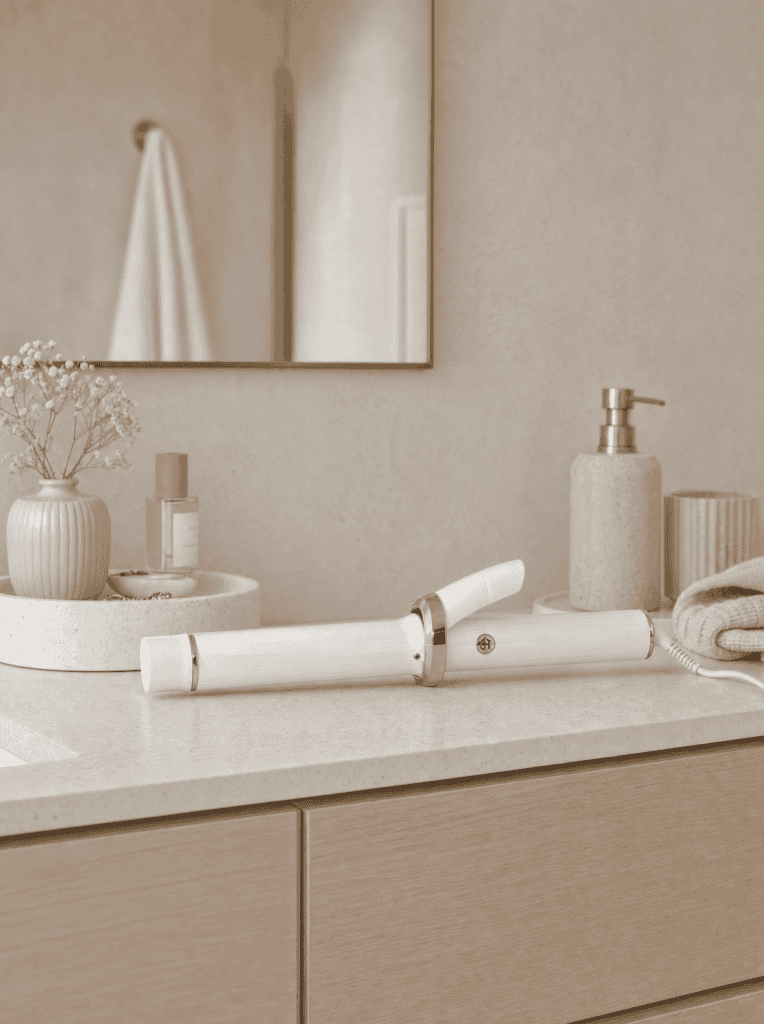
This post contains affiliate links. If you purchase through my links, I may earn a small commission at no extra cost to you. I only recommend products I have personally tested and genuinely love.
Published September 10, 2026 · Last updated September 10, 2026
My hair is fine, and for years curling it felt pointless. I would spend twenty minutes on it, walk out the door, and by lunch it was flat again.
I assumed I needed a better iron. I bought several. The curls still fell out.
What actually fixed it was two things I was doing wrong, and only one of them had anything to do with the tool.
Below is the best curling iron for fine hair based on what I have actually used, plus the barrel size, temperature, and cooling step that decide whether a curl survives the day. If you are choosing between a hot barrel and an air styler, my Dyson Airwrap versus Shark FlexStyle breakdown covers that decision in full, and no curl should ever happen without a heat protectant tested on fine hair. For straight styles instead, my flat iron picks are the sibling to this post.
What Is the Best Curling Iron for Fine Hair?
The best curling iron for fine hair is a ceramic iron with a 1-inch to 1.25-inch barrel and genuinely steady heat, used between 250 and 300 degrees Fahrenheit. It matters because fine hair heats through in seconds, so an iron with hot spots damages the strand long before the curl sets. It is most useful for anyone whose curls drop within an hour despite using an expensive tool.
The Short Answer
The best curling iron for fine hair is a steady-heat ceramic iron with a 1-inch to 1.25-inch barrel, run at 250 to 300 degrees Fahrenheit. The T3 SinglePass Curl X is my pick at $159.99. Barrel size and temperature matter more than price, and pinning each curl while it cools is what makes it hold on fine hair.
Quick Takeaways
- Fine hair needs a 1 to 1.25 inch ceramic barrel.
- Curl at 250°F to 300°F, never hotter.
- Hold each section only 3 to 6 seconds.
- Pin every curl while it cools. This is the fix.
- Texture spray before heat gives fine hair grip.
- Day-old hair holds a curl far better than clean hair.
What This Guide Covers
- What is the best curling iron for fine hair?
- Why won't fine hair hold a curl?
- What barrel size is best for fine hair?
- What temperature should you use?
- The 5 best curling irons for fine hair
- What about thick, long, or short hair?
- How do you make curls last on fine hair?
- What makes fine hair curls fall out?
- How I tested this
- Frequently asked questions
TL;DR – For fine hair the tool matters less than the temperature and the cool-down. A steady-heat ceramic iron in a 1 to 1.25 inch barrel, run at 250 to 300 degrees, with each curl pinned while it cools, will outperform a hotter, pricier iron used the usual way.
What Is the Best Curling Iron for Fine Hair?
The best curling iron for fine hair is a ceramic iron with a 1-inch to 1.25-inch barrel and stable heat, used at 250 to 300 degrees Fahrenheit. My pick is the T3 SinglePass Curl X at $159.99, because it holds one temperature rather than spiking, and heat spikes are what damage fine strands before a curl has set.
Ceramic beats titanium here. Titanium transfers heat faster and harder, which suits coarse or thick hair and punishes fine hair.
Price is not the deciding factor. A $160 iron used at 400 degrees will hold a curl worse than a $30 wand used at 275 with a proper cool-down.
The tool is maybe a third of the result. The rest is prep and cooling, which is why the technique sections below matter more than the shopping list, and why the state of your hair generally shows up in how well a curl takes.
Why Won't Fine Hair Hold a Curl?
Fine hair will not hold a curl because each strand has less mass and a smoother surface, so it heats through instantly, cools instantly, and has very little internal structure to lock a new shape into. Weight pulls the curl straight again, and any slip in the hair, from conditioner to natural oil, removes the grip a curl needs to stay.
This is the most common complaint about fine hair online, and the usual advice is to turn the heat up. That is the wrong direction.
More heat does not create more hold on fine hair. It damages the cuticle, which makes hair slipperier and less able to hold a curl next time.
Three things genuinely change the outcome: texture before heat, a low steady temperature, and letting the curl cool in a coiled position rather than letting it drop.
If your hair is also heat-damaged from years of chasing hold with temperature, that is a separate repair job first, and the damage-repair products that actually work are worth doing before you buy another iron.
What Barrel Size Is Best for Fine Hair?
A 1-inch to 1.25-inch barrel is best for fine hair. It creates enough curl definition to read as volume without producing a tight ringlet that exposes the scalp. Larger barrels of 1.5 inches and up tend to fall out of fine hair within the hour because the curl is too loose to survive its own weight.
Go smaller if your hair is both fine and short. A 1-inch barrel on short fine hair gives shape, where a 1.5-inch barely bends it.
Go to 1.25 inches if your hair is fine but long. Longer hair carries more weight per strand, so a slightly larger barrel with more sections holds better than a tight curl that drops all at once.
Clipless wands are worth considering on fine hair specifically, because a clamp can leave a visible crimp at the point of contact that fine hair shows more readily than thick hair does.
What Temperature Should You Curl Fine Hair At?
Curl fine hair between 250 and 300 degrees Fahrenheit. Fine strands transfer heat almost immediately, so anything above roughly 300 degrees is damaging the cuticle without adding hold. If a curl is not lasting at 275 degrees, the problem is prep or cool-down, not temperature, and turning the dial up will make it worse over time.
Start at 250 degrees and only go up if the curl genuinely will not form. Most fine hair sits happily around 275.
Ignore the 400-degree setting entirely. That range exists for coarse and very thick hair, and using it on fine hair is how you end up with the slippery, curl-resistant texture you are trying to fix.
Whatever number you land on, put a barrier between the heat and the strand first. The heat protectants I tested on fine hair covers which ones do not weigh it down, which is the usual objection.
The 5 Best Curling Irons for Fine Hair
These are the five I would actually recommend for fine hair, ranked by how well they hold a steady low temperature rather than by how hot they can get. Prices were checked live on September 10, 2026. Four are ceramic barrels or air stylers, and one is a budget wand for anyone not ready to spend $160.
The everyday one and the budget one. Everything else on this list is a variation on these two.
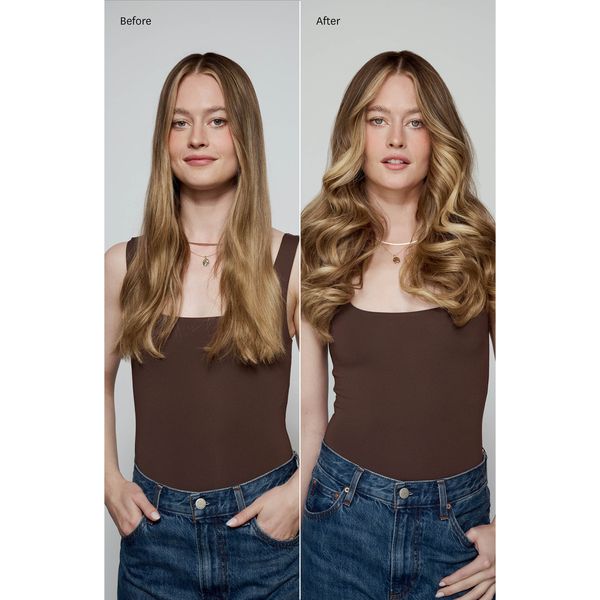
This is the one I reach for. The 1.25-inch ceramic barrel holds a steady temperature instead of spiking, which is the whole game with fine hair, because hot spots are what fry a strand before the curl ever sets. The extra-long barrel also means fewer overlapping wraps on longer hair.
Shop Now →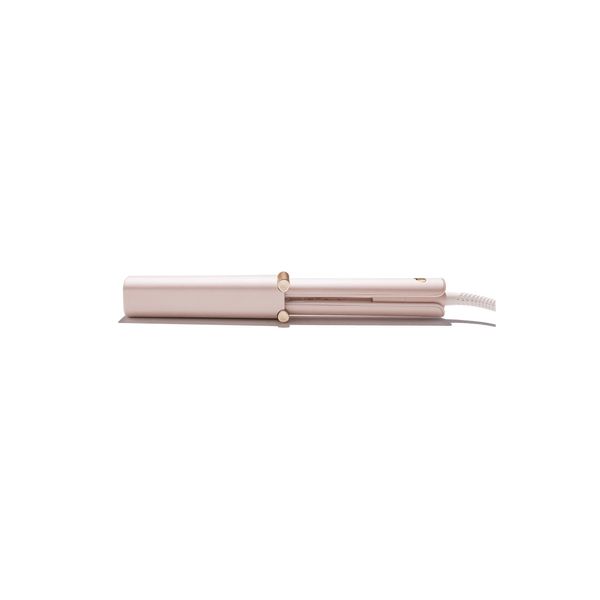
Straightens and curls, which matters more than it sounds for fine hair. Smoothing a section before you wrap it gives the curl a cleaner surface to hold onto. One tool, one heat-up, half the drawer space.
Shop Now →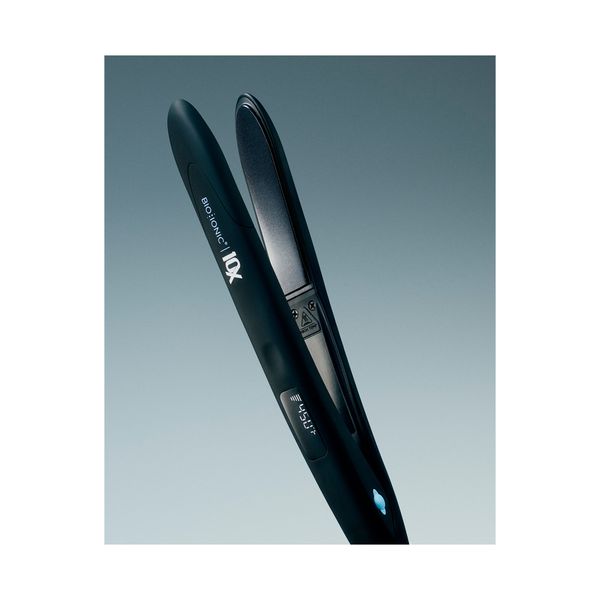
The 1-inch barrel is the classic fine-hair size, and Bio Ionic's version heats fast and evenly enough that you can work at a lower temperature. Expensive, and honestly overkill unless you curl several times a week. If you do, it is the one that lasts.
Shop Now →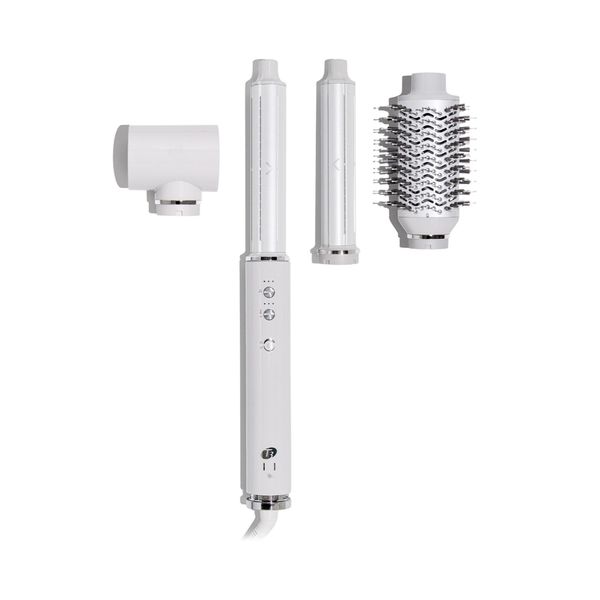
An air styler rather than a hot barrel, so it dries and shapes in one pass with less direct heat. Fine hair responds well to this because the curl is set by airflow and cooling rather than by scorching the cuticle. Best if you are starting from damp hair.
Shop Now →A clipless wand at a fraction of the price of everything above, and the one I recommend if you are not sure you will use it enough to justify $160. Clipless means no crimp line, which fine hair shows more than thick hair does. Amazon pricing moves constantly, so check it live.
Shop Now →What About Thick, Long, Short, or Curly Hair?
Barrel size and temperature both scale with hair type. Thick and coarse hair can take a 1.25 to 1.5 inch barrel at 300 to 375 degrees, long hair benefits from an extra-long barrel to avoid overlapping wraps, and short hair needs a smaller 0.75 to 1 inch barrel to get any shape at all. Fine hair is the one that needs the lowest heat.
Fine or Thin Hair
- Barrel: 1 inch to 1.25 inch
- Temperature: 250°F to 300°F
- Material: Ceramic
- Key move: Pin the curl while it cools
- Watch for: Clamp crimp lines
Thick or Coarse Hair
- Barrel: 1.25 inch to 1.5 inch
- Temperature: 300°F to 375°F
- Material: Titanium transfers heat better
- Key move: Smaller sections, more of them
- Watch for: Under-curling the underlayer
Long Hair
- Barrel: Extra-long, 1.25 inch
- Temperature: Match your hair density
- Material: Ceramic for even heat down the length
- Key move: Avoid overlapping wraps
- Watch for: Ends curling more than roots
Short Hair or a Bob
- Barrel: 0.75 inch to 1 inch
- Temperature: As low as still sets
- Material: Ceramic
- Key move: Curl away from the face
- Watch for: Tight curls reading as shrinkage
If you would rather not own several tools, an air styler with interchangeable barrels covers more hair types from one device. The Dyson Airwrap versus Shark FlexStyle comparison is the honest read on whether that is worth the price, and blow-drying properly first makes any of them work better.
How Do You Make Curls Last on Fine Hair?
To make curls last on fine hair, start with day-old or texturized hair, curl at 250 to 300 degrees in 1-inch sections for 3 to 6 seconds, then pin each curl to your head while it cools. The cooling step is what sets the shape. Letting a warm curl drop and swing is the single most common reason fine hair goes flat by midday.
-
1
Start on day-old hair, not freshly washed. Clean fine hair is slippery and has nothing to grip. If you must wash, skip conditioner at the roots and let it air-dry to about 90 percent first.
-
2
Prep with a texturizing or volume spray before any heat. This is the step most people skip and it is the single biggest difference on fine hair, because it gives the strand something to hold the shape with.
-
3
Add heat protectant anyway. Fine hair damages faster than thick hair at the same temperature, so protectant is not optional even at lower heat settings.
-
4
Set the iron between 250 and 300 degrees Fahrenheit. Higher does not mean longer-lasting on fine hair, it means fried. If the curl is not holding, the fix is technique, not temperature.
-
5
Take small sections, about an inch wide. Fine hair looks thinner when curled in big sections because the curl separates and shows scalp. Smaller sections read as fuller.
-
6
Hold for 3 to 6 seconds only. Fine hair heats through almost immediately, and anything past about 6 seconds is doing damage without adding hold.
-
7
Catch each curl in your palm and pin it while it cools. This is the actual secret. A curl sets as it cools, so letting it drop and swing while warm is what makes it fall out by lunchtime.
-
8
Let everything cool completely before you touch it, then break the curls up with your fingers rather than a brush. Finish with a flexible-hold spray, not a stiff one.
Second-day curls on fine hair are often better than day-one curls, and a little dry shampoo at the roots the next morning revives both the volume and the grip. A drop of lightweight hair oil on the ends only keeps it from looking dry, but keep it well away from the roots or the curl collapses.
What Mistakes Make Fine Hair Curls Fall Out?
The mistakes that flatten fine-hair curls are almost all about heat and timing rather than the tool. Curling freshly washed hair, cranking the temperature to compensate, and letting curls hang loose while they cool account for most failures. These are the seven worth fixing before you buy anything new.
- Curling clean, conditioned hair. It is too slippery to grip. Day-old hair or a texture spray solves it.
- Turning the heat up when curls drop. This damages the cuticle and makes the next curl hold even worse.
- Letting the curl fall while it is warm. Hair sets as it cools, so this undoes the work immediately.
- Taking sections that are too big. On fine hair a wide section separates and shows scalp instead of reading as volume.
- Holding for 10 seconds or more. Fine hair is fully heated in about three. Past six you are only causing damage.
- Brushing the curls out too soon. Wait until completely cool, then separate with fingers.
- Skipping heat protectant on low heat. Fine hair damages faster at any given temperature than thick hair does.
Fix the cooling step first if you only change one thing. It costs nothing and it is usually the difference between curls at 9am and straight hair at 1pm.
How I Tested This
Every judgement in this post came off my own head rather than a spec sheet. My hair is fine, straight and shoulder-length, which is exactly the hair type that drops a curl fastest, so it is a fair test rather than a flattering one. I curled with each tool at three different temperatures across several weeks.
I curled with each tool at 250, 275, and 300 degrees to find where the curl actually set without frying, and I timed how long the result survived a normal LA day rather than a photo.
The cooling test was the one that changed my mind. Same iron, same temperature, one side pinned while cooling and one side left to drop, checked at four hours.
The pinned side was still curled. The dropped side was almost straight. That single comparison is why the technique sections here are longer than the shopping section.
Prices were read live off each product page on September 10, 2026 rather than reused from an older post. As of September 2026 the Dyson Airwrap colourway I would otherwise have included was sold out, so it is not on the list.
Frequently Asked Questions
What is the best curling iron for fine hair?+
Why does my fine hair not hold a curl?+
What temperature should I curl fine hair at?+
What size barrel is best for fine hair?+
Is ceramic or titanium better for fine hair?+
Should I use a curling iron or a wand on fine hair?+
How do I make my curls last all day with fine hair?+
Does curling damage fine hair more than thick hair?+
Should I curl clean hair or dirty hair?+
Is an expensive curling iron worth it for fine hair?+
Can I use an air styler instead of a curling iron on fine hair?+
How often can I curl fine hair without damaging it?+
The Bottom Line: It Was Never the Iron
I spent years thinking my hair was the problem. It was not. I was using the wrong temperature and skipping a free step that takes thirty extra seconds.
That is true of most beauty frustration, honestly. It usually looks like a product problem and turns out to be a technique problem nobody explained.
Fine hair is not a flaw to be corrected with more heat. Worked with rather than fought, it holds a soft curl beautifully.
That is the whole Layers of Beauty idea. Understanding why something works means you stop buying your way around a problem, and the confidence comes from knowing what you are doing, not from owning the most expensive tool on the shelf.
Sources & Further Reading
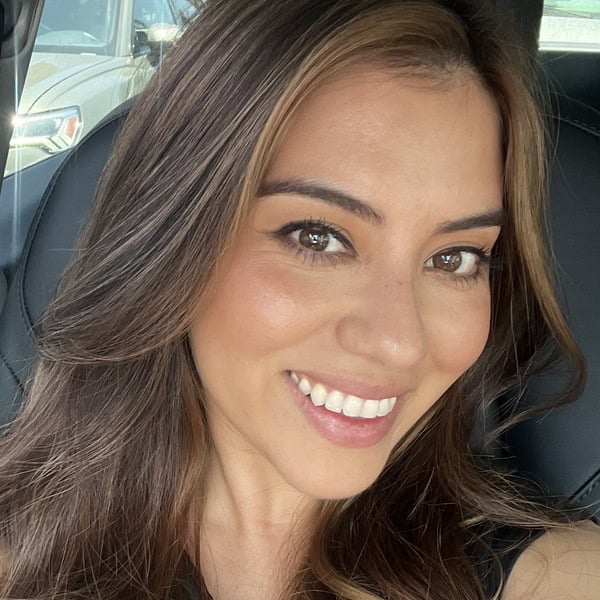
About the AuthorJasmine Del Toro
I'm Jasmine Del Toro, a Los Angeles-based lifestyle blogger who tests beauty products, wellness trends, and everyday solutions in real life. I have fine, straight hair that dropped every curl I put in it for years, so I tested these irons at three temperatures each on my own head until I found what actually held. I share what actually works, what doesn't, and what you need to know before spending your money. My approach is practical, honest, and based on personal experience living in LA.
I'm an Amazon Influencer, an Icon-level ShopMy creator, and a brand ambassador for Revolve, Victoria's Secret, and DoorDash.
This post may contain affiliate links – I only recommend products I have personally used and believe in.